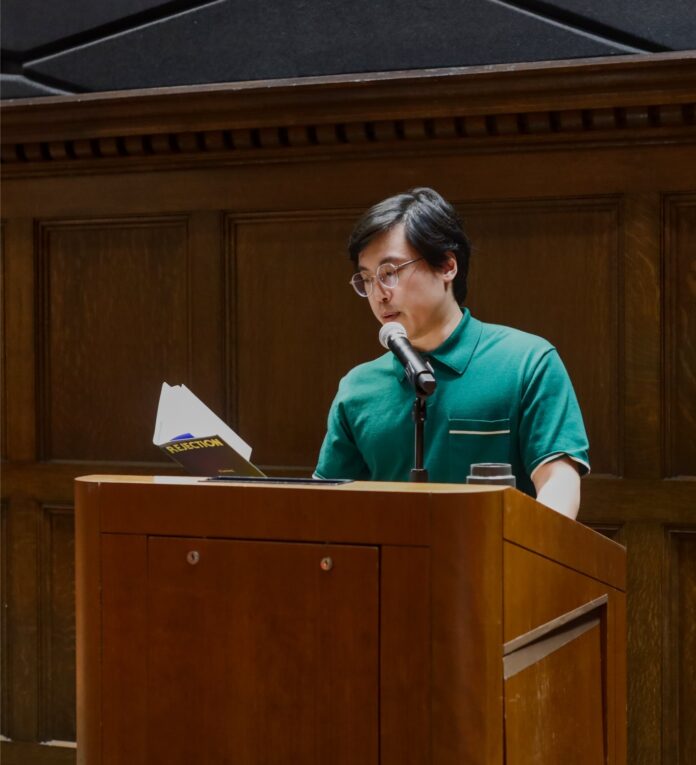
Tony Tulathimutte visited Occidental for a reading and Q&A centered on his short story collection “Rejection,” organized by the English department Feb. 28. The book follows a cast of deeply neurotic characters navigating humiliation, longing and social failure across the internet and beyond.
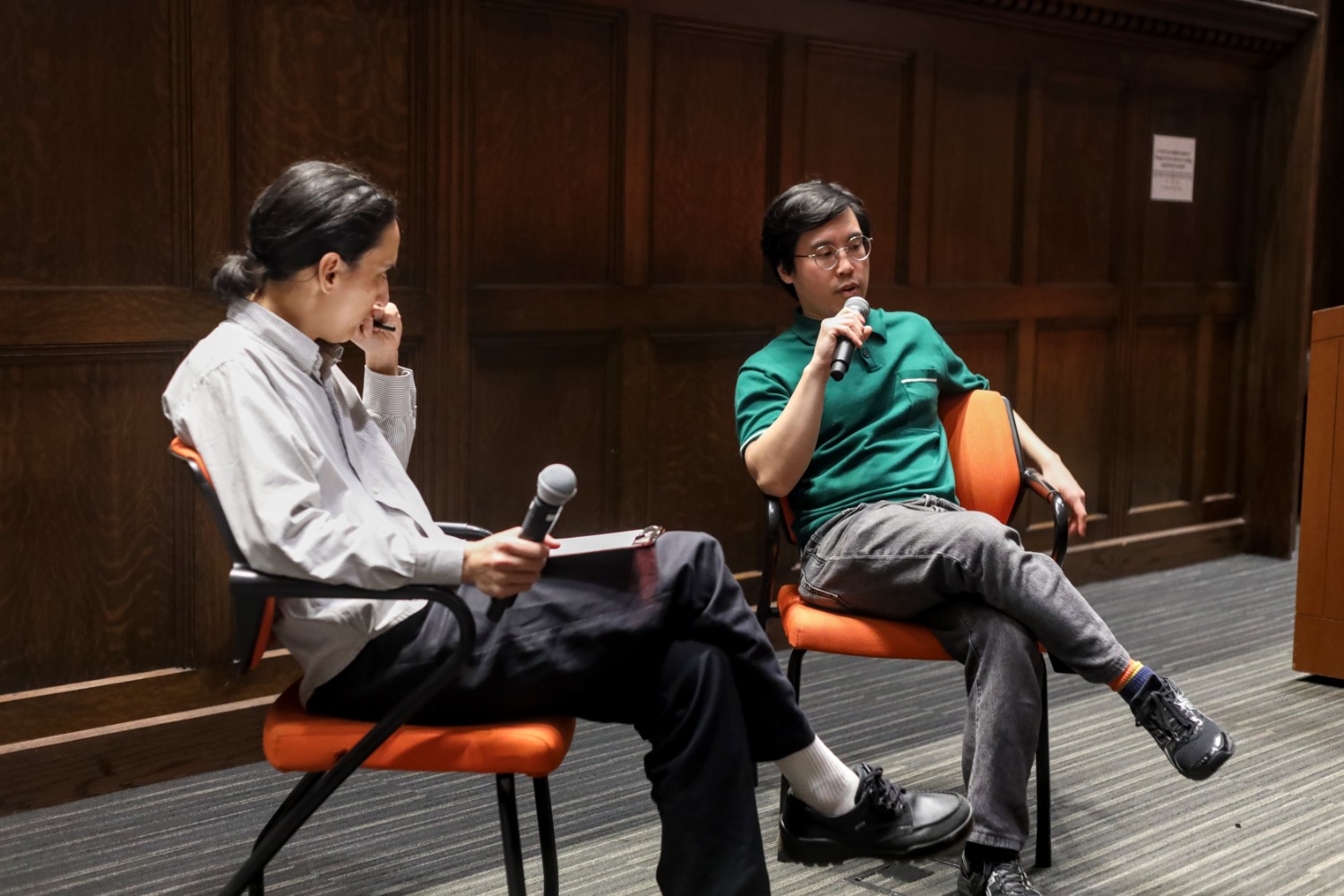
“Rejection” began not with a grand thematic vision but with a collection of shorter pieces, Tulathimutte said, growing into a book that moves from romantic rejection in its first three stories into weirder formal territory: forum posts, spam, Reddit threads and a final story that is itself a rejection letter addressed to the book.
“I was almost shocked that there wasn’t just a book called rejection,” Tulathimutte said. “It’s like setting up an Instagram handle and just getting the name ‘Adam,’ or something like that.”
According to Tulathimutte, the book shifts from cringe comedy to psychological horror to satire depending on the story, creating tonal instability.
“You can call it range,” Tulathimutte said. “I would probably call it just inconsistency.”
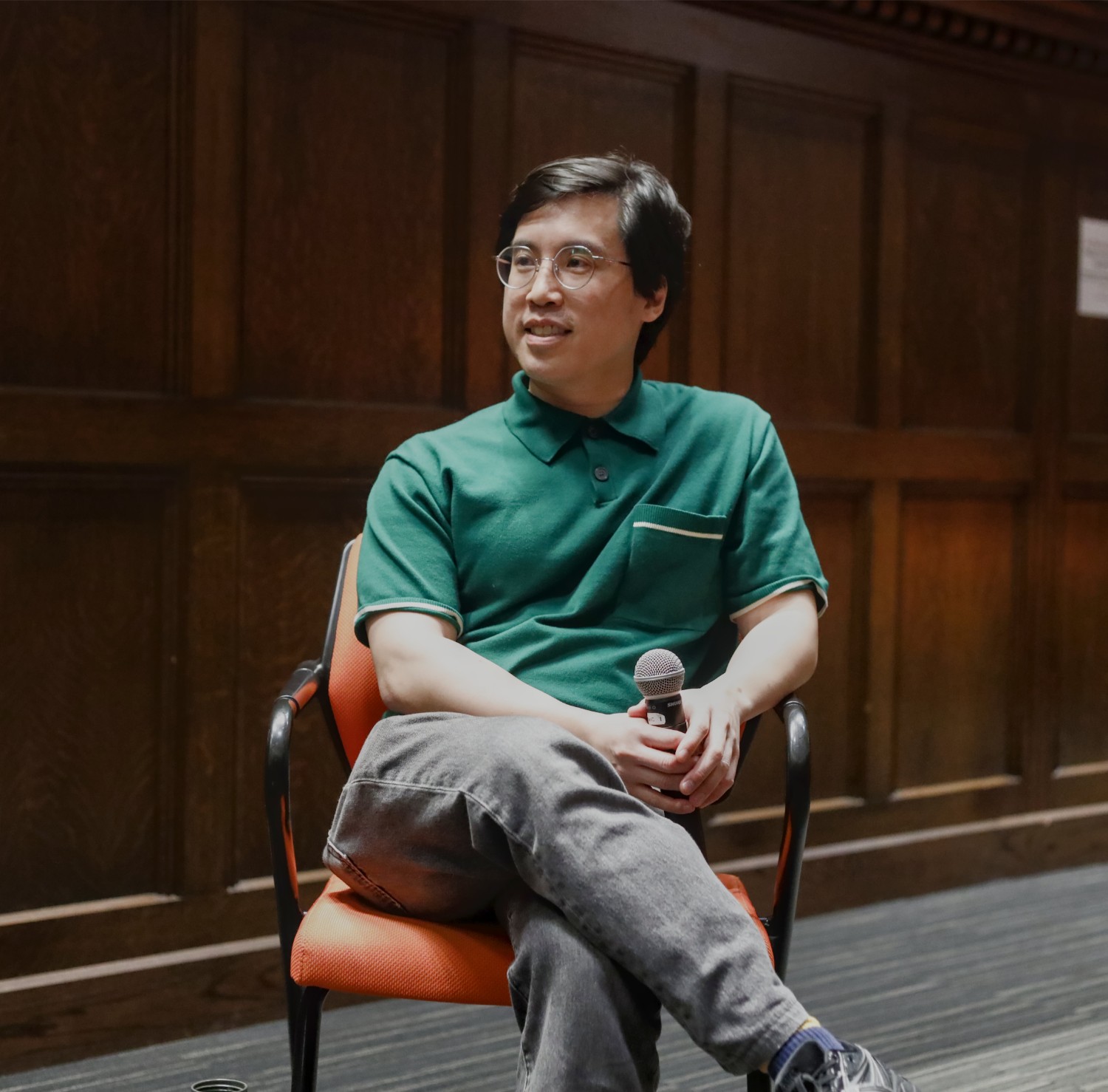
Tulathimutte said the challenge of writing about rejection is that it resists conventional plot structure.
“If you try to map out the structure of a rejection story, it’s terrible,” Tulathimutte said. “It begins with an anticlimax and then nothing happens. It’s just like, I want this thing. I didn’t get it. My life is the same.”
What interested him, Tulathimutte said, was the gap between how rejection looks from the outside, like nothing happened, and what it feels like from the inside, where an entire imagined future collapses.
“You’ve been building up this fantasy, this thing in your head that you’ve wanted, that embodies all of your best hopes and aspirations,” Tulathimutte said. “Talking about it and clinging on to it just makes you seem completely pathetic. Because nothing material has changed.”
Associate Professor of English Ross Lerner said he was stunned when he first read the book over the summer.
“I hadn’t read anything quite like it. [It] really kind of innovated formally in terms of what is possible in fiction writing to capture something about lives lived online,” Lerner said. “I was struck by how clever it was — the level of craft felt precise and genuinely creative.”
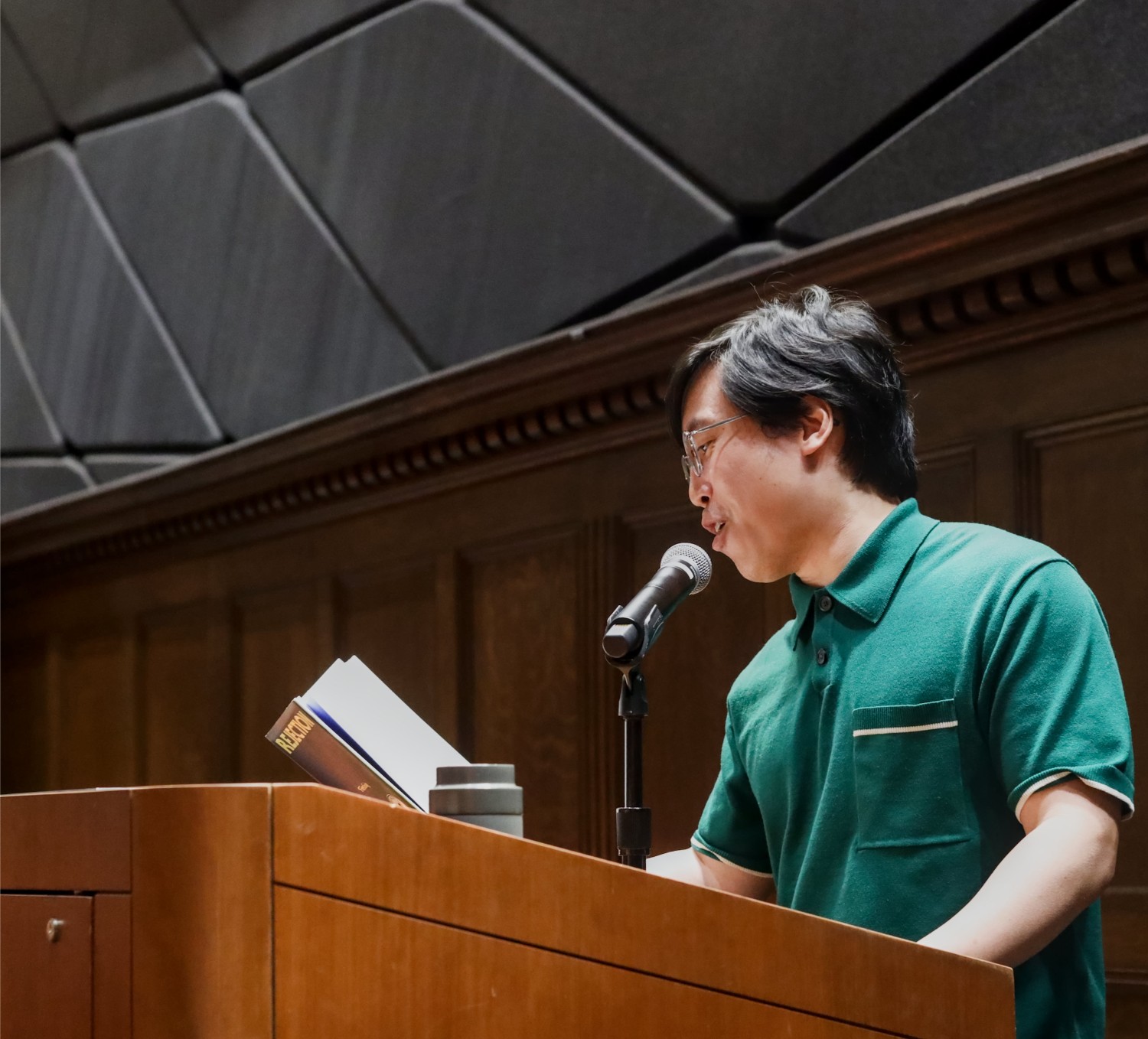
According to Tulathimutte, social media promises a kind of answer to the question of how to be a person, a window into how others behave and what gets rewarded and then delivers something entirely false.
“Everything that’s online is a performance, and it’s one that passes through many, many layers of algorithmic filtration before it reaches us,” Tulathimutte said. “It is like watching television and being television at the same time.”
At the Q&A, Tulathimutte said people would rather have certainty than happiness. It is why, he said, some of the most self-defeating characters in “Rejection” cling so hard to narratives that guarantee they will never win.
“It’s because you at least know where you stand,” Tulathimutte said. “You know your place and then you can make sort of solid and concrete decisions and actions. You will know that the feelings that you have are legitimate.”
According to Tulathimutte, this same dynamic explains the internet’s surveillance pull. For neurotic people, he said, other people’s feeds function as a kind of social instruction manual.
“For people who are very neurotic and very ‘what is wrong with me,’ they’re going to be really thirsty for this kind of social instruction,” Tulathimutte said. “How are other people acting? What gets rewarded? You’re basically just casting about for role models.”
Tulathimutte said representation in fiction is not a matter of choice — moving through the world with a body visibly marked by race or gender automatically implicates a writer in those discourses. Neither, Tulathimutte said, is rejection.
“No matter how impersonal the rejection, it always feels personal,” Tulathimutte said.
Lerner said Tulathimutte’s commitment to craft is one of the things that makes him singular among writers working today, combining a precise formal attention to what sentences and structures can do with a genuinely rare comic ability.
“There’s not a lot of people who can bring together this really sophisticated attention to style and humor,” Lerner said. “I think Tulathimutte does it so successfully that it really challenges people to write more formally interesting fiction and also to think with humor and the absurd.”
According to Tulathimutte, writing for yourself is a higher bar than writing for publication because you cannot condescend to yourself or make your characters less complicated than you are.
“You can tell when someone’s trying to pander,” Tulathimutte said.
During the Q&A, an audience member asked why the book’s characters seem stuck, unable to move past their own rejection. Tulathimutte said the answer is simpler than it looks.
“Shame will kill you,” Tulathimutte said. “When everybody is not going to be honest about things like their own failures or their own humiliation, it seems like it’s not very common. And then when you experience it, it seems like you’re the only one who experiences it. It’s very isolating.”
Marley Marshall (senior), who attended the event, said the talk reframed how she thinks about shame.
“One thing that I’m taking away from his talk is to encounter more shame and be less ashamed of shame in a weird way,” Marshall said.
Marshall said the event felt timely given technology’s inescapable presence in daily life and its growing role in how people read, write and connect.
According to Lerner, what draws him to the book is its argument that the feelings rejection produces are not new, but the internet has given them somewhere to go.
Lerner said he hopes students left feeling like Tulathimutte is someone they could actually become, a writer who started from the same place they are now and figured out how to do something new with the form.
“I hope they would feel inspired to read more, write more, imagine what it might be to try to be a writer,” Lerner said.
Contact Samhita Krishnan at krishnan@oxy.edu