













Occidental students submitted their First-Stage Writing Portfolios March 1. The portfolio essays are part and parcel of the First-Year Seminar (FYS) curriculum and prime students’ writing, research and critical thinking abilities.
Each first year’s portfolio is comprised of three argumentative essays from their FYS classes and a 750-word personal reflection about their writing skills. Two of the three thesis-driven essays must include evidence from scholarly sources. The entire portfolio must be between 5,000 to 6,000 words — and submissions more than 500 words above or below the word limit must be justified in the personal reflection sections.

The Writing Center
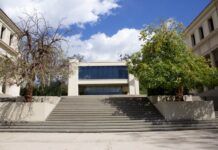
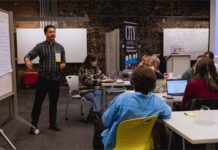
According to professor of American Studies and Director of the Writing Center Julie Prebel, the Writing Center supports students through all stages of the portfolio process, from outlines and first drafts to revisions. Prebel also said the Writing Center — located on the ground floor of the library — hosts workshops informing students about the Portfolio’s requirements, such as the reflective essay, which is often an unfamiliar academic writing style for students.
Occidental’s Writing Center faculty includes Prebel, as well as Assistant Director Charlyne Sarmiento and Department Coordinator Audrey Navarro. The Writing Center employs 34 students as writing fellows and writing advisers to help students plan and edit their academic papers, for the portfolio or otherwise.
While students associate the portfolio with their FYS classes, the seminars predate the portfolio, Prebel said.
“The mechanism for completing the portfolio essays happens through FYS because we want a stable base, so to speak,” Prebel said. “A set of consistent expectations that students have when they enter Oxy about first-year writing that they’re hopefully getting through their FYS classes, and then they produce essays to submit for the portfolio that way.”
As the college’s former Writing Program Director, Prebel managed the portfolio process and communicated FYS expectations and resources to faculty members. Occidental’s current Writing Program Director is associate professor of education La Mont Terry.
“[The Writing Program Director] is somebody that is providing opportunities for faculty to learn how to teach writing, to support student writing, to support the portfolio, all of that,” Prebel said.
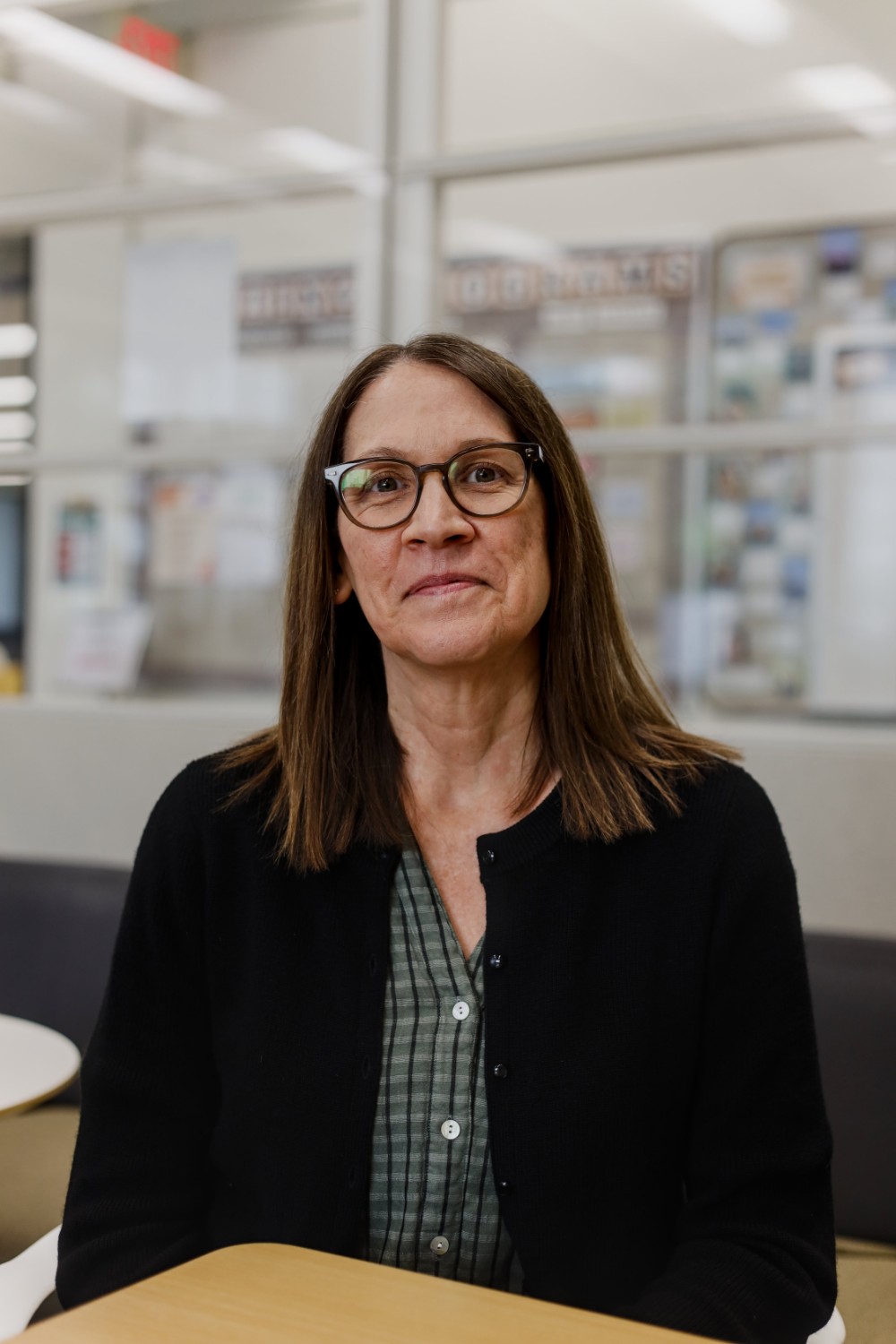
Shikha Iyer (first year) said her FYS classes have taught her how to write at the college level. Iyer said Occidental professors have different expectations than her high school teachers.
“In my high school, we learned how to write in the five-paragraph essay structure,” Iyer said. “In college you can’t really follow that structure because your ideas are more expansive.”
According to Iyer, the writing workshops in her Fall FYS helped her understand the structure of college papers, and she practiced her new approach to writing in the three required essays for that class.
“It was really nice to review them because I got to see how my writing improved,” Iyer said of those essays. “My first essay was very much in that five-paragraph structure, and then as [my essays] went on I was able to express my ideas more freely.”
Iyer said her Fall FYS professor provided extensive individual feedback and notes on each student’s essay, including comments on specific segments written in the margins.
“It was very helpful to be able to visually understand what parts of my writing needed improvement and how I could do so,” Iyer said.
Lelea Tuitupou (first year) also said comments given by his FYS professors helped him improve his writing. According to Tuitupou, another beneficial aspect of his FYS class was the opportunity to read his peers’ writing.
“Continuously writing in FYS has increased my confidence in my writing,” Tuitupou said. “The portfolio motivates students to work hard on the essays that they write in freshman year.”
Jillian Rosset (senior), a biology major, said subject selection was a positive aspect of her FYS experience. According to Rosset, choosing her FYS classes to be science-focused gave her the chance to pursue topics that she was interested in while feeling less pressure due to the FYS classes being pass/fail.
“It was more about building up your writing skills, especially in science, where you have to review articles and write research papers,” Rosset said. “It gave me more experience on how to do that without stressing out about my grade.”
While Iyer praised her FYS experience, she said many of her friends took FYS courses that did not prepare them as well for the portfolio. According to Iyer, all FYS courses should incorporate the portfolio’s expectations. She said that currently, students’ preparedness for the portfolio vary vastly by FYS class.
According to Rosset, certain FYS classes have writing assignments that are less applicable to portfolio assignments, limiting how useful these classes can be for the portfolio.
“There is a lot of variation in what you’re writing,” Rosset said. “I do think it should be more generalized and have more guidelines.”
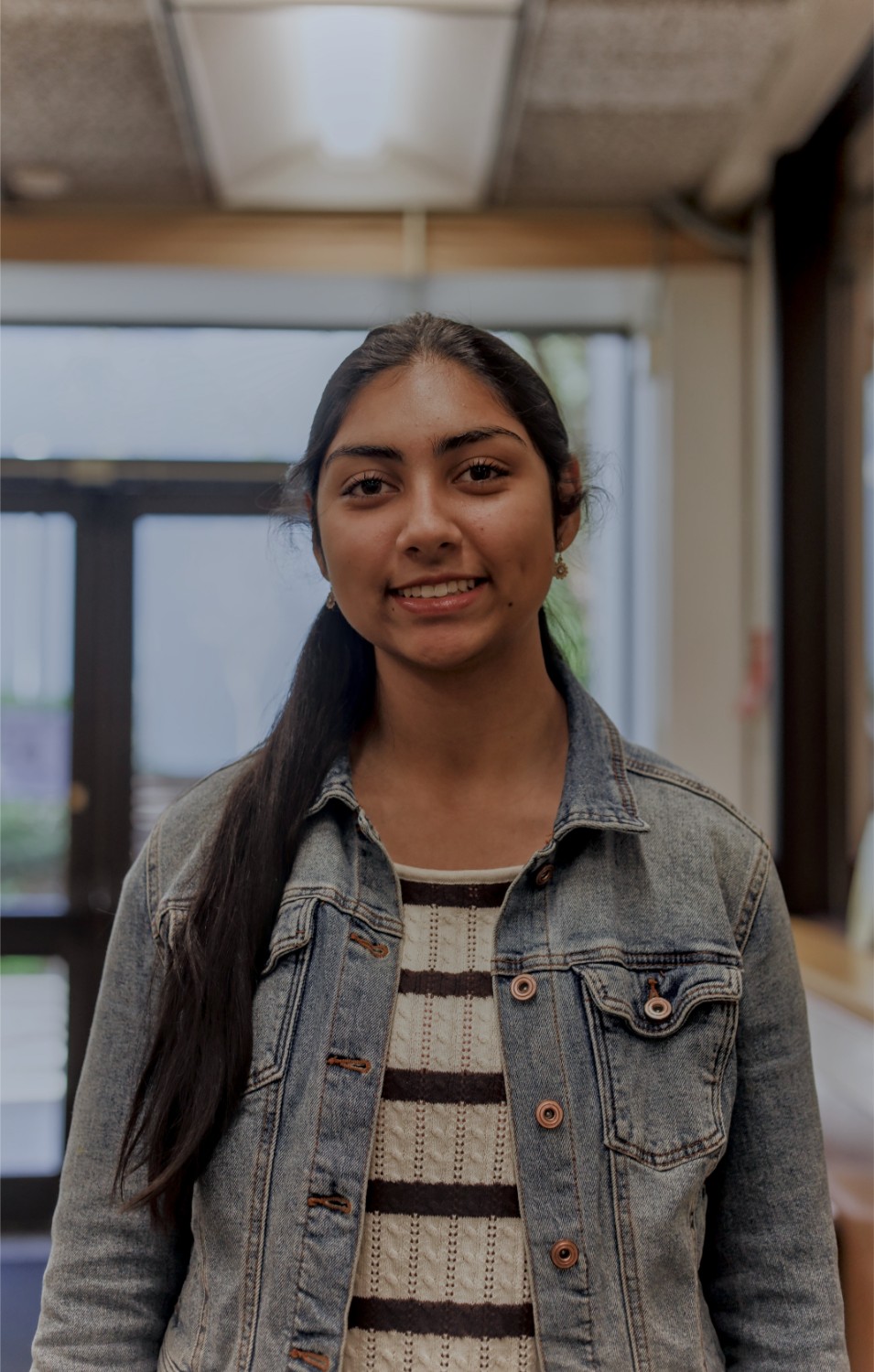
Of the portfolio, Iyer said she would like the college to be “integrating more of it specifically into the first semester FYS rather than leaving it up to the professor.”
While the portfolio has not changed since its introduction in 2020, Prebel said that the FYS program itself has evolved in recent years.
“In the last couple of years [changes] include more community-based work and outward facing projects,” Prebel said. “Maybe more funding because of those [new] aspects of the course.”
According to Prebel, the prevalence of AI has not led to a noticeable decrease in student use of writing centers at Occidental — or other colleges.
“In communication with the other writing center directors nationally, we’re not seeing a big drop-off,” Prebel said. “We’re pretty consistent in our own usage [of the Writing Center] at Oxy.”
Writing adviser Lex Meyer (sophomore) said the Writing Center is busiest leading up to the portfolio deadline. Students’ questions about the portfolio vary, Meyer said, but often involve the structure and framing of their essays — especially due to the portfolio’s unique formatting requirements.
“You have to bold your thesis statement in each of your thesis-driven essays,” Meyer said. “People usually aren’t sure what to put in the [personal reflection essay]. Sometimes there’s citation questions that people come in with. It’s really a mixed bag.”
Meyer said students coming into the Writing Center tend to be very stressed about the portfolio — which Meyer also remembers hearing from peers as a first year. If students fail the portfolio, they must take an additional class to fulfill the First-Stage Writing Requirement: CWP 201, or “The Art of Essay Writing.”
“[Occidental] kind of catastrophizes it, makes it seem like it’s a really big deal,” Meyer said of failing the portfolio. “In reality, if you fail the portfolio, you take a class, you get better at writing.”
The portfolio is the first major writing requirement for first years at Occidental, which compounds their stress, according to Meyer.
“Coming in as a freshman, you’re going to be anxious,” Meyer said. “A lot of freshmen ask questions like, ‘Do you think this is good? Do you think my writing is up to college standards?’ and I think that’s a normal worry for people, but I think we’re currently doing a good job of curbing that anxiety, telling people it’s OK if you don’t pass.”
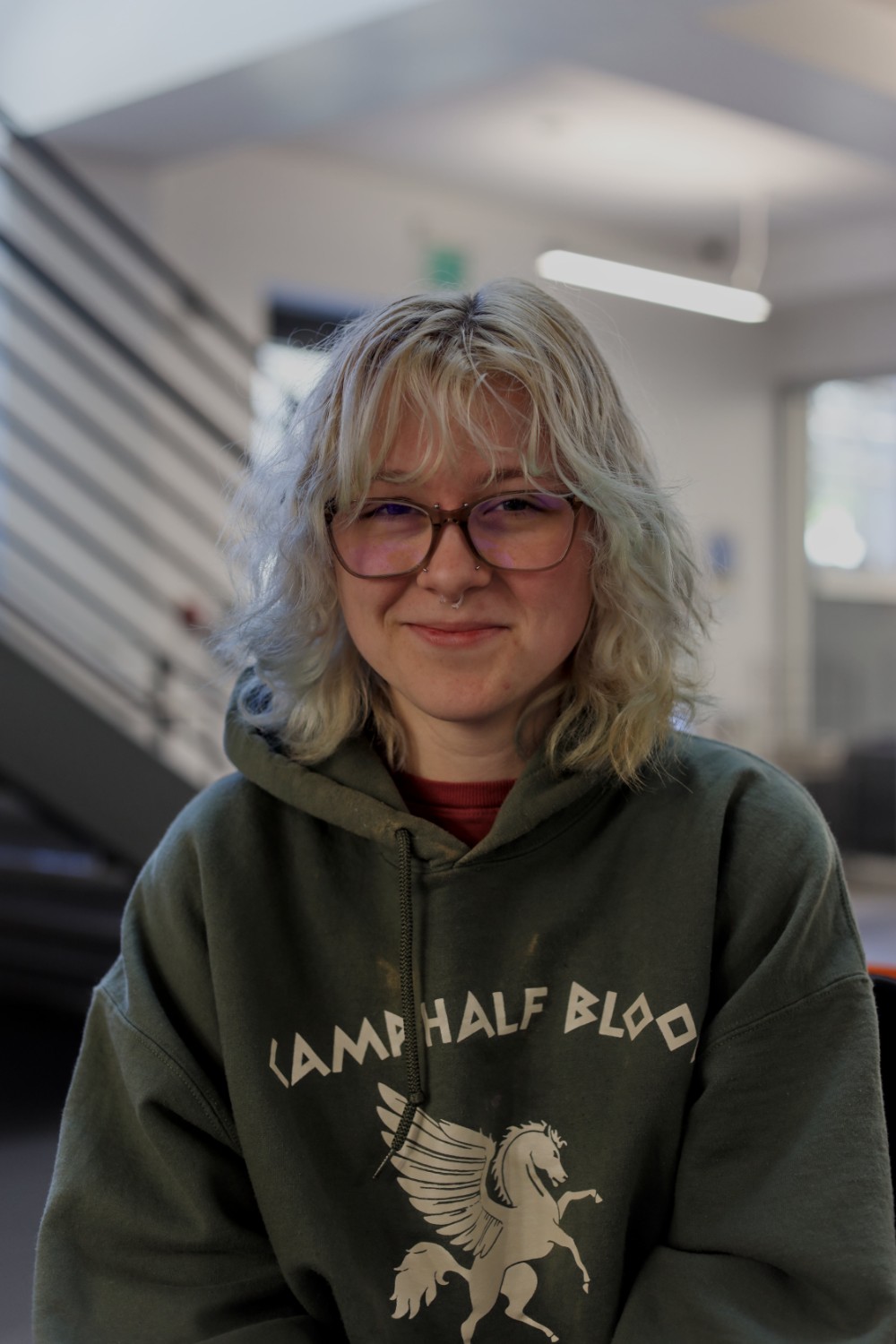
According to Meyer, less students than expected visited the Writing Center before the portfolio deadline — which Meyer believes is an indicator that first years are on the whole less stressed about the Portfolio.
“I think the anxiety has gone down a bit, which is a great thing because we don’t want people to be freaking out over something that they don’t need to be freaking out about,” Meyer said. “If you’re there with your writing skills, you’re going to pass, and if not, that’s okay. We’re gonna work in CWP to get you to the place you need to be.”
Meyer failed the portfolio and encourages students not to fear their results. According to Meyer, taking CWP 201 was not a setback but rather an opportunity, providing them the chance to improve their writing.
“I still work at the Writing Center,” Meyer said. “So you can be totally fine if you fail the portfolio.”
AI and first year writing
Prebel said the Writing Center has a published AI statement detailing policies around AI. Although the use of AI is explicitly banned in completion of the portfolio, writing advisers or faculty do not penalize students for utilizing AI, according to the statement.
In the statement, the writing center specifies that “if relevant, we may ask about the AI policies and guidelines for courses, but it is not our role to enforce or report violations of course policies.”
Rather, Prebel said the Writing Center’s focus is helping students improve, wherever they are as writers or in the writing process.
“If a student comes in to work with us […] and they say, ‘I started this essay using AI and now I have reached a challenge I can’t get past,’ we are just going to start working with them where they are at that moment,” Prebel said.
Meyer has worked with many students in the Writing Center who admit to using AI, although the rise in AI’s capabilities is making it more difficult to identify AI writing without disclosure.
“We’re not always able to tell if something is AI or not,” Meyer said. “If a student comes in with an AI-like essay, hypothetically it shouldn’t be for an FYS, because it’s against the guidelines.”
Tuitupou said that AI can take away from the writing process by giving students the opportunity to skip essential steps, such as brainstorming and research.
“I believe AI can be helpful, but the way it is widely used hinders students’ writing abilities,” Tuitupou said. “If you ask AI to help you fix grammatical errors and small edits to your paper, that is helpful. But if you ask AI to write you a thesis or core parts of your essay, then you gain nothing.”
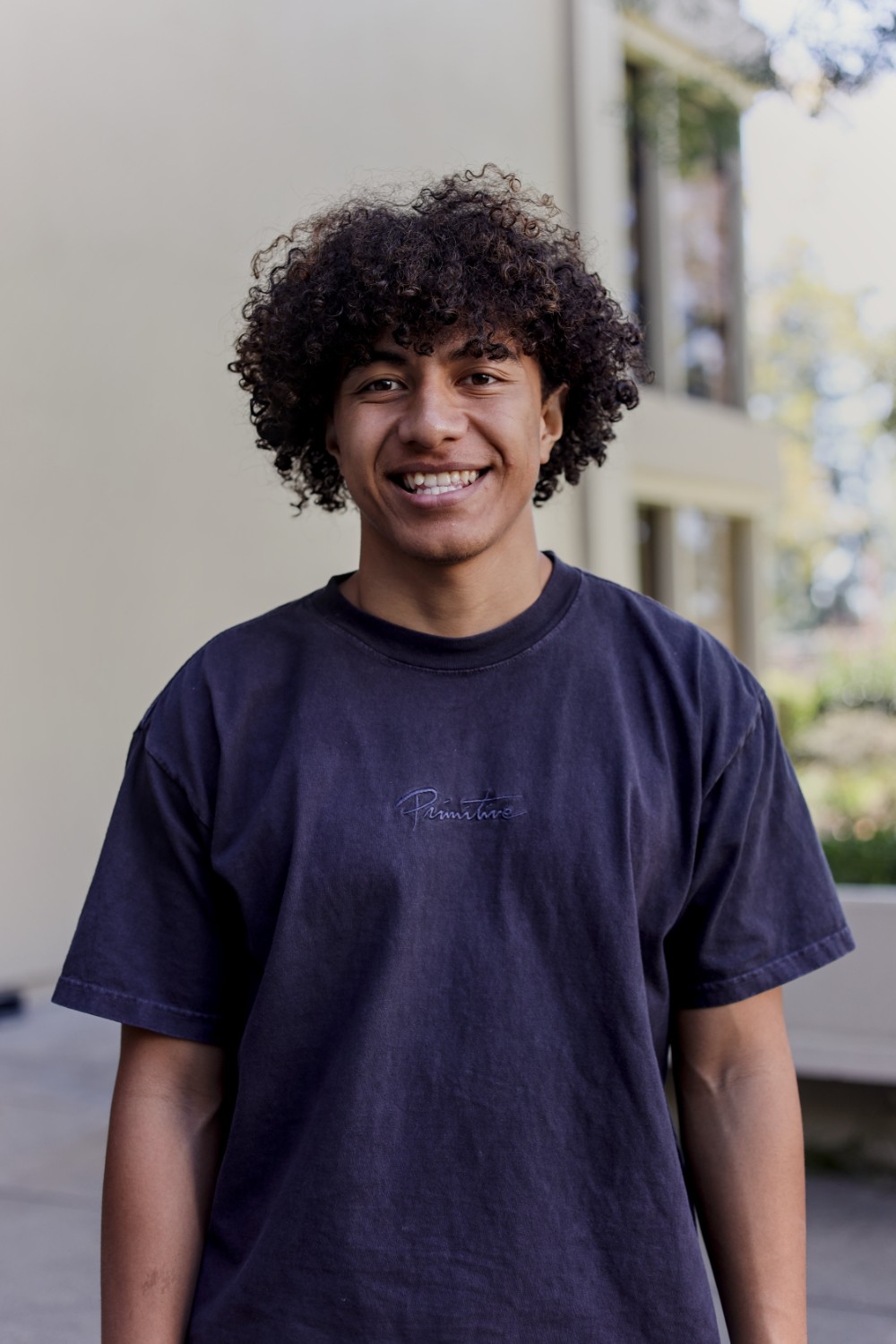
According to Prebel, writing advisers are allowed to ask students about AI use, but students are not required to disclose whether they have used AI. However, Prebel said disclosing AI use can help students and writing advisers move forward to best shape the student’s work.
“We’re going to say, ‘OK, let’s think about how you might start to revise this essay using your own thinking,’” Prebel said. “Going back to your notes or your sources, reviewing ideas about the readings and starting there.”
Prebel said while she sees how AI is changing the landscape of hiring, particularly in business and science, she is not concerned that AI will overpower humanities-based fields.
“Where certain jobs might be replaced because AI can do that work, I still believe that, at least in writing and in the humanities, people want to be their own thinking beings,” Prebel said. “They want to express and articulate their ideas on the page.”
Prebel said she encourages students to prevent AI from clouding their independent thoughts.
“Now, if you do an editor check in Microsoft Word, that’s AI. Some of that can be useful,” Prebel said. “I think that it has to be combined with really thinking, ‘Is this representing what I want to do? My thoughts, my viewpoints, the way I want to structure this argument?’”
Learning after COVID-19
According to Prebel, many teenagers didn’t pick up foundational writing skills while attending school virtually due to COVID-19.
“Pre-COVID there was a somewhat standardized curriculum across most US high schools and even middle schools where certain aspects of the writing process were taught,” Prebel said. “I think that some of what was not included during the virtual years of schooling were aspects of writing that had to do with things like how to diagram a sentence and why that’s important, or to know that you need one subject in a sentence and not two.”
Tuitupou, who was in eighth grade during the COVID-19 pandemic, said “learning during the COVID year of school did not feel mandatory.”
“Trying to learn and stay in engaged with school when you are in a place of comfort like home is not optimal,” Tuitupou said. “Re-adjusting to in-person school was difficult for me, because I felt that I was thrown into high school.”
Tuitupou said that returning to in-person school made him feel discouraged in learning capabilities that he was previously confident in.
“Quarantine was a time when I would write to complete assignments, not to improve my writing,” Tuitupou said.
Prebel said she believes in educating students no matter their abilities, and treating improvement as the goal for young writers.
“Once you learn it, you learn it, and then you don’t make that mistake again,” Prebel said. “In the Writing Center, we go into our work assuming that students have had these experiences where they might be missing some key knowledge.”
According to Prebel, writing advisers share their knowledge about the portfolio and writing in general without quizzing students about what they might not know.
“They are not going to hold back knowledge,” Prebel said of writing advisers. “They’re here to give you that.”
Prebel said that although the idea of a peer critique may seem daunting to many students, the Writing Center provides a supportive space for improvement.
One student, Prebel said, was afraid to come to the Writing Center, but once she did, she blossomed as a student and researcher.
“We used to have a writing adviser who was extremely successful in her role here,” Prebel said. “But she talked about how she came down and walked around the Writing Center for several weeks before she came up to the desk and asked to meet with somebody because she was so nervous.”
Prebel said she later co-authored a journal article with that writing adviser.
“[The Writing Center] was a pathway,” Prebel said. “I want to tell people that anecdote because it is hard to share our work with other people and it feels very vulnerable at times.”
According to Prebel, when a student comes to the Writing Center and sparks a conversation with a writing adviser, they might discuss an aspect of the writing process or a topic that they might have overlooked.
“You can have a conversation with someone that really presses you to think more deeply or more radically than you did before,” Prebel said. “You might be pushed at times intellectually or in your writing, but we hope that in a way that helps you grow and makes you feel more comfortable and confident in your abilities.”
Contact Diana Trutia at trutia@oxy.edu
