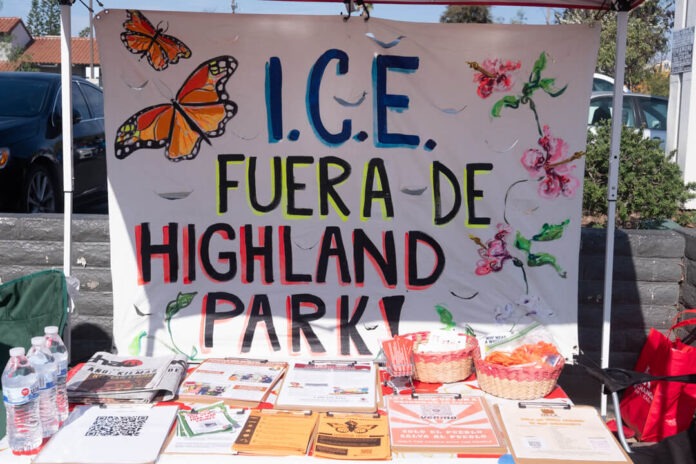
In the midst of ICE raids continuing to sweep LA in 2026, and stricter requirements to receive SNAP food benefits that started Feb. 1, Angelenos are coming together to help fellow community members survive through mutual aid, the voluntary exchange of resources between people for mutual benefit. Mutual aid is a more horizontally structured system than charity work, which tends to consist of people giving to causes or communities that they are not members of. With mutual aid, people who participate know that their community is stronger when more people are cared for and remember that someday they might need help too.
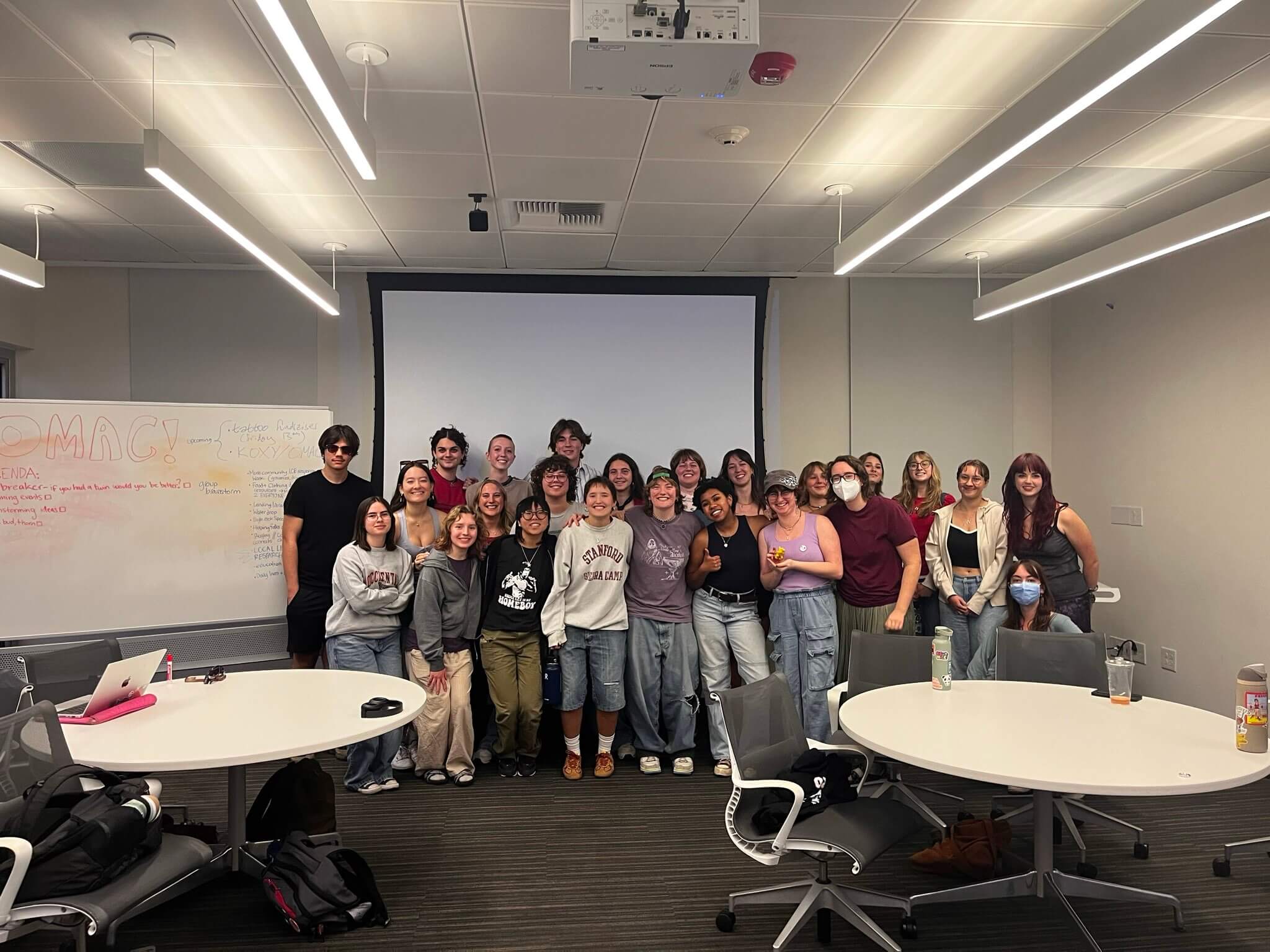
Los Angeles has been through tough times before, and despite its sprawling landscape, it has held together and pushed through. There is something unique about LA’s ability to coalesce and to strengthen its bonds when it matters most. While students can get involved in mutual aid on campus through the Occidental Mutual Aid Club (OMAC), branching out in local communities can help you feel grounded and connected to LA. In the spirit of uplifting the work being done by Angelenos all over the city to protect and sustain their neighbors, I’d like to give some recognition to a few community members who are going above and beyond to do their part, and who are offering a blueprint for how someone interested can become involved.
Helping 1 Vendor At A Time
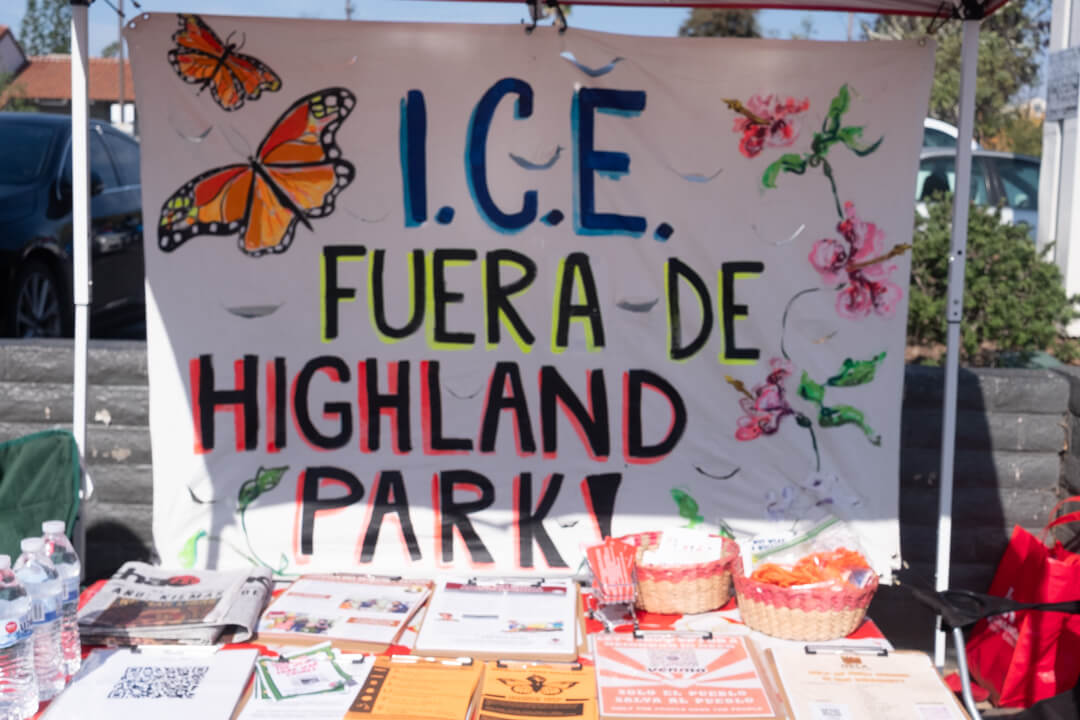
Alex Romero started Helping 1 Vendor At A Time in July 2025 over the Fourth of July weekend. Romero, who works in the mental health sector in South Central, said that after seeing a street vendor working on the corner in an area that was a hotspot for ICE raids, she gave him all the money in her wallet so that he could go home.
Romero said this experience led her to reach out to a friend in Highland Park who knows many of the street vendors.
“I want to sell on the street corner for a vendor who can’t, who is on survival mode, who’s afraid to leave their home,” Romero said.
Romero’s friend connected her with a longtime couple from Highland Park who are both street vendors, and on that Sunday of the same weekend, Romero and her partner sold for those vendors in front of the 7-Eleven on the corner of Avenue 52 and Figueroa Street.
“My friends came out, and we made over 3,000 dollars for him,” Romero said. “I thought, ‘I need to keep doing this.’ This is where I live, this is where I grew up. I love Highland Park and I need to do it.”
Through Helping 1 Vendor at A Time, Romero now gets connected with local vendors who she sells for on street corners in Highland Park.
“I also started finding safe spaces for them to vend, that way they’re in a place for a few hours where they don’t have to have that fear of being caught,” Romero said. “I try to educate them on how to get their permits and licensing, because there’s so many more opportunities that way.”
Romero said she currently vends at least twice a month, sometimes for multiple vendors on the same day, and some of her friends volunteer with her.
“I feel like right now so many of our street vendors […] they’re really having a hard time making ends meet, even putting food on their table,” Romero said. “I wish I could do it every weekend, but I have commitments, so it’s hard.”
Romero said a lot of organizations are reaching out to Helping 1 Vendor At A Time to find ways to help show up for the community.
“The inner child in me takes me back to my grandmother, and how she was a street vendor too,” Romero said. “Having those memories of my sister and I going with her on the weekends to sell […] I think that’s why it was so important for me to do something.”
LA Community Fridges
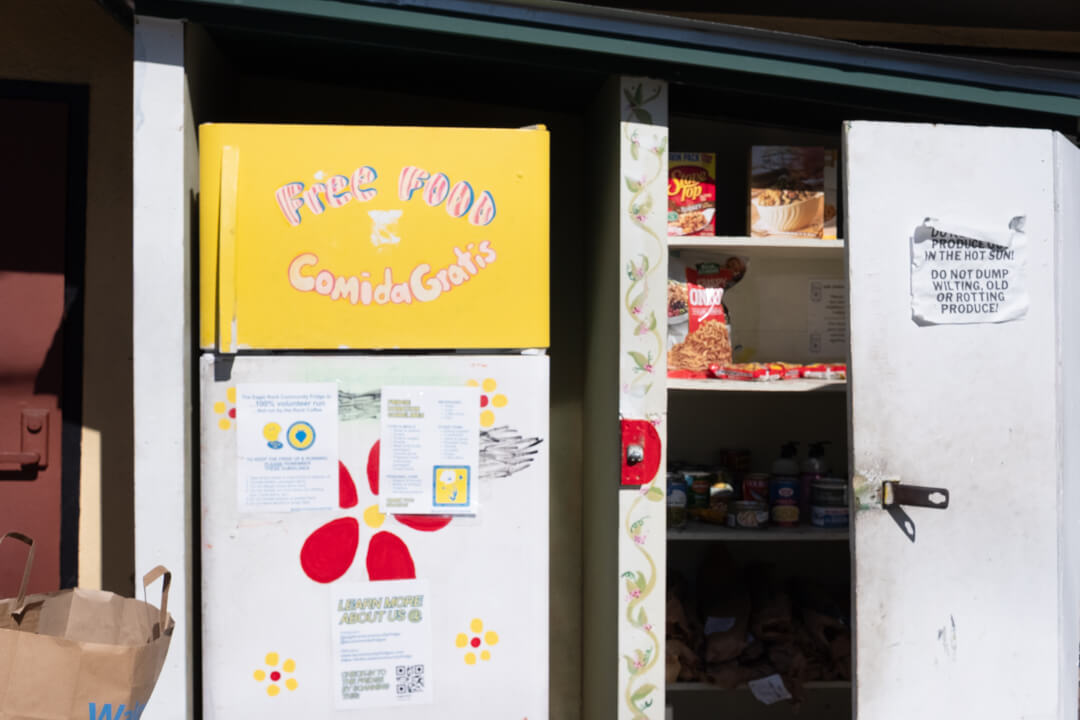
Julie Haire is a volunteer with LA Community Fridges, as is everyone who is a part of the organization, which is not a nonprofit and has no leadership structure. LA Community fridges is a network of independent refrigerators where people can drop off and pick up food and other on-food donations like personal hygiene items and items like ice packs or takeout utensils. Haire said she has been volunteering with LA Community Fridges for four years.
“We’re all in this together,” Haire said. “Everybody identifies a problem and everybody works to solve it.”
Haire said that every single person who uses one of the fridges, whether to donate food or to pick up food, is asked to feel responsible for the upkeep of the fridge and have a more personal stake in the cause.
“People will say, ‘Why isn’t there one in my neighborhood?’ and it’s because we need someone like you to start it,” Haire said. “That’s what it’s all about, is somebody stepping up.”
Haire said social media is one of the organization’s biggest tools to publicize the locations of their fridges, how to maintain and clean them, what kind of donations to drop off and how you can stop by local businesses to pick up food to bring to the fridge.
“The purpose of the fridges is two-pronged. It’s about food rescue, saving food that might otherwise go to the landfill,” Haire said. “We have so many people who are food insecure and don’t have extra money to spend on food, especially with the high grocery store prices in LA.”
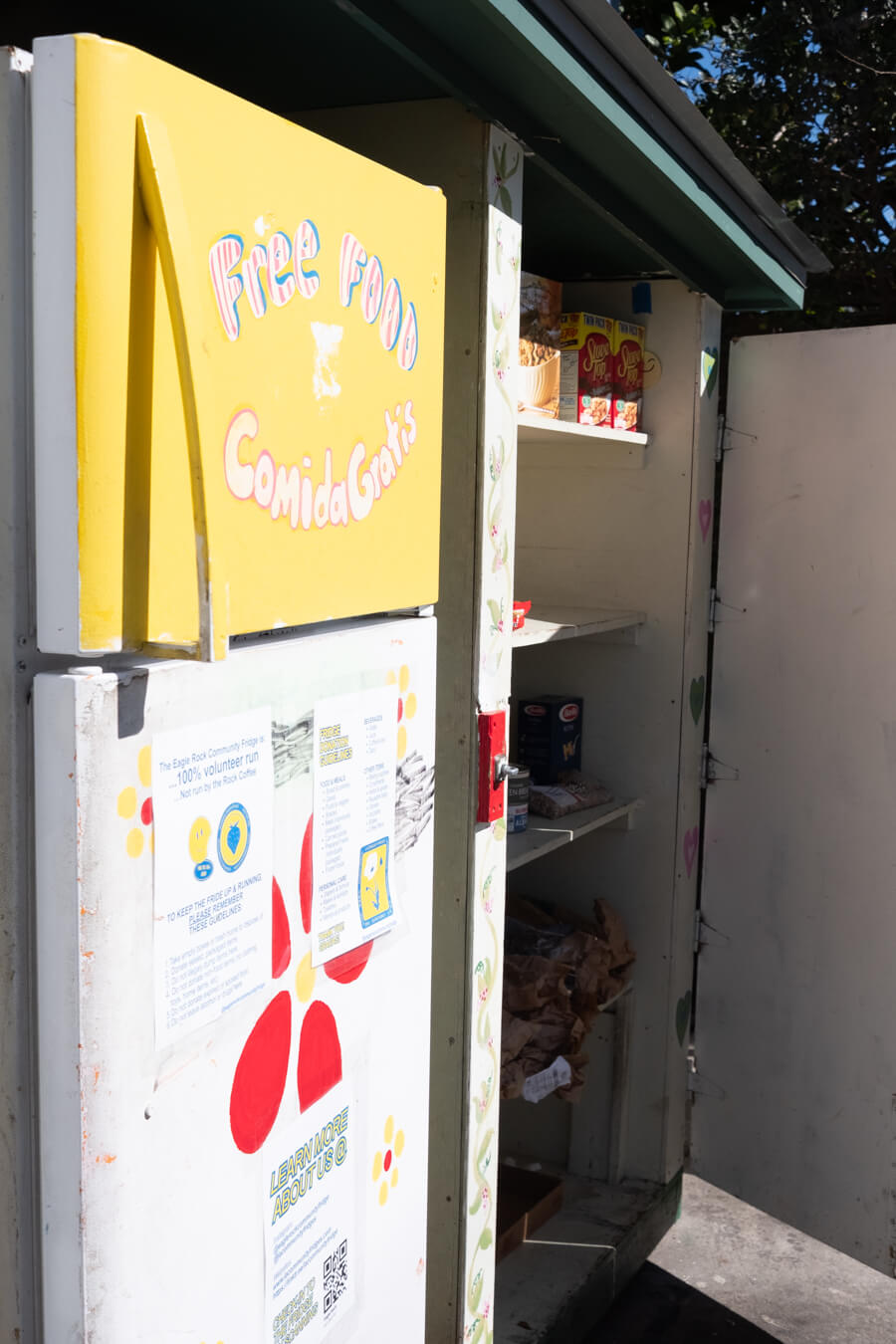
According to Haire, food donations don’t always make it into the fridge because there are often people waiting at the fridge locations to pick up food before donations arrive.
“People generally love fruit, any kind of produce,” Haire said. “Not everybody can pick up lettuce and make a salad, but everybody can grab an orange and eat it.”
For Haire, the best thing that mutual aid does for people is changing people’s mindset and reframing how they see themselves in their community.
“A lot of people might feel like ‘Oh, I hate that there’s so much trash on my street. I wish someone would do something about it.’ And then it’s like, ‘Wait, why don’t I do something about it?’” Haire said. “You don’t need to ask permission. You don’t need to go through some sort of big organization to feed people or to make change in your community. You can actually do it yourself.”
According to Haire, becoming involved in mutual aid is the most grassroots way you can help your city.
“Rather than donate money to an organization that gets filtered through many, many layers, you can actually directly impact your community.” Haire said.
LA Community Fridges has a fridge located in Eagle Rock outside ROCK Coffee House accepting donations.
NELA Food Distribution
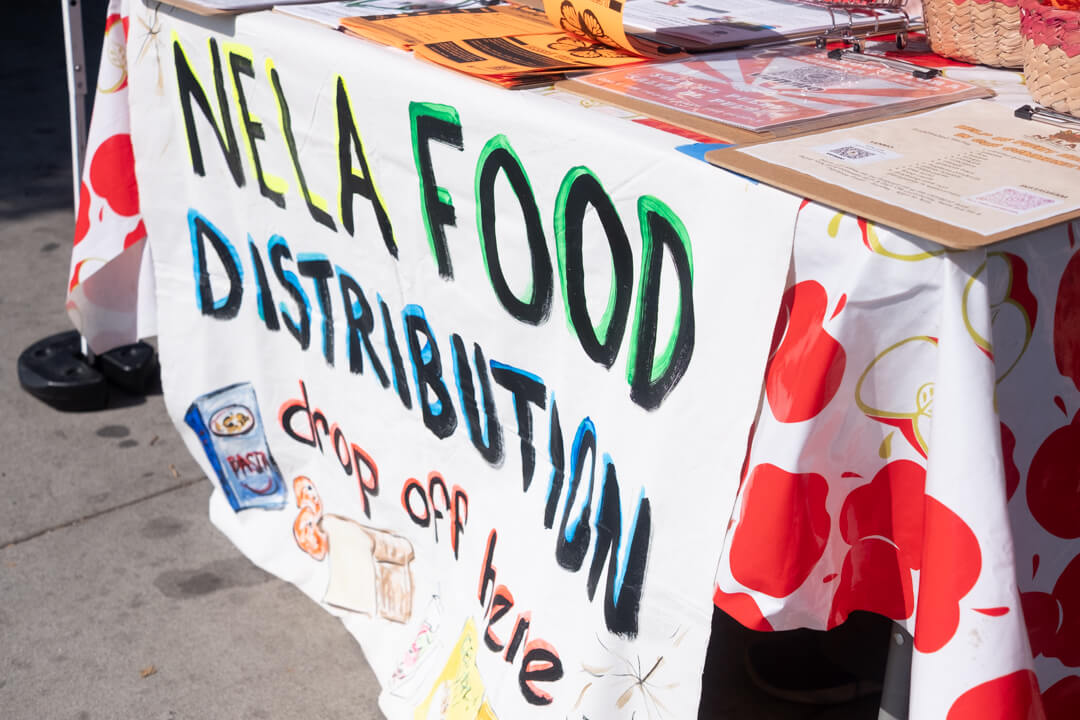
Vanny Arias, founder of NELA Food Distribution, said she has been a community activist for about 25 years. Arias said she works at a bar in Northeast LA (NELA) and has planned fundraisers in the past to help with causes like covering neighbor’s funeral expenses and raising money for the cheer squad. Arias started NELA Food Distribution in April 2025 just by asking some of her coworkers for donations for vulnerable neighbors.
“When our neighbors became vulnerable, these are my actual neighbors, my friends, people that I grew up with, so it was a call to action,” Arias said.
According to Arias, NELA Food Distribution consistently feeds about 450 people every week through a mix of home deliveries and food drives with donations from community members. Arias said some local businesses have donated proceeds and hosted collections for NELA Food Distribution as well.
“There’s definitely been a surge lately, more people staying home, more people not wanting to go out, kids that aren’t going to school,” Arias said.
According to Arias, NELA Food Distribution has a pool of almost 200 volunteers that rotate in and out to help with food distribution.
“It doesn’t take a genius, it doesn’t take money to start something like this,” Arias said. “All you need is somebody who’s willing and very dedicated in their community to pull [it] off.”
Arias said she wants to encourage people to stand up for their neighbors as if they are family members.
“Not everybody has extra money or extra food, but you can lend your ears, you could lend your eyes,” Arias said. “I started off with just me hoping that I can help someone. Now it’s turned into this amazing organization [..] I couldn’t have asked for more.”
Arias said people can drop off bags of food at The Offbeat bar in Highland park during regular business hours as well as Everybody Gym.
Siempre Unidos LA
Elizabeth Ramirez said she originally started Siempre Unidos LA as an Instagram page to help guide community members to available city or state funded resources by posting local events and programs.
“If nobody utilizes those resources, […] they just don’t continue to fund those resources because they don’t think that there’s a need,” Ramirez said.
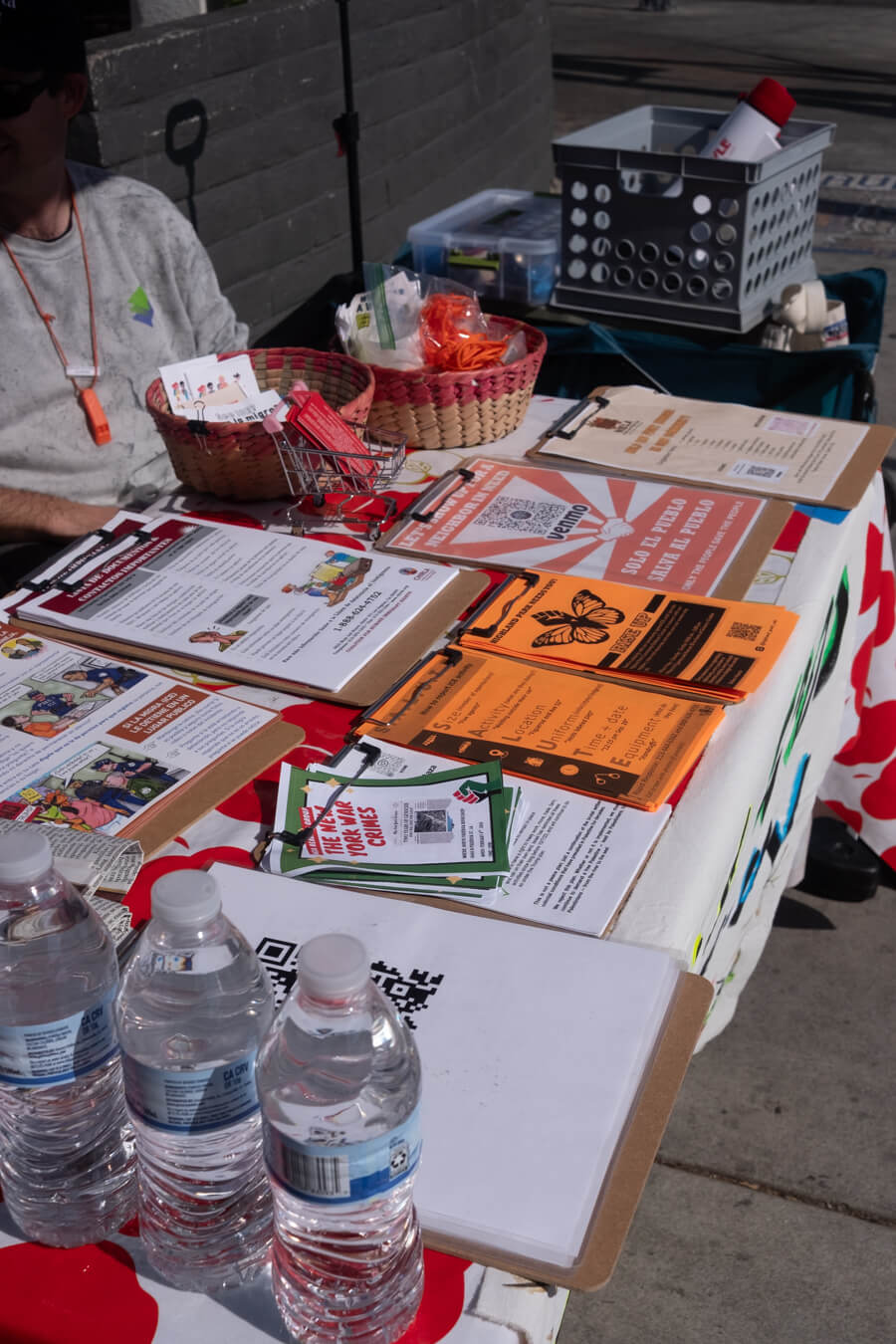
After the ICE raids ramped up in June 2025, Ramirez said she began posting Know Your Rights information and ICE alerts on the Instagram page. From there, Ramirez started a food and box hygiene program. Now, Siempre Unidos is a full-fledged “community-powered nonprofit organization committed to supporting immigrant families torn apart by ICE raids and deportations in Los Angeles,” according to its website.
“We’re home-based in South Central […] which is where I was born and raised,” Ramirez said. “Thanks to community support and volunteer support, we’ve been able to reach so many different communities.”
Siempre Unidos has a program that distributes food called Comida Para Todos, and raises funds to buy out street vendors in areas that are face a high risk of ICE raids, Ramirez said.
“We recently started collecting donations for pre-loved clothing,” Ramirez said. “We work very closely with vulnerable populations like our Home Depot day laborers. If they’re in need of clothing, or they maybe have children who are in need of clothing, we have a team that works with them.”
According to Ramirez, Siempre Unidos also has a rapid response team called Guerreros Communitarios (Community Warriors) who patrol around areas of LA to provide Know Your Rights information and are on alert for ICE presences.
“As a founder, I definitely keep in mind that our organization is really just adapting to whatever the community needs,” Ramirez said.
As a non-profit, Siempre Unidos is 100 percet donation based, Ramirez said.
“We rely on the community support […] local vendors, local businesses, really anybody that wants to donate, whether it’s funds or food items,” Ramirez said.
Ramirez said that since June 2025, she has witnessed more community camaraderie and interpersonal relationships between neighbors that COVID-19 had disrupted.
“It’s the beauty within the struggle of LA really coming together and uniting as one, because now I feel like people [are] really checking in on each other,” Ramirez said. “We’re seeing the unfortunate reality that all of this affects us in one way or another.”
Comida Para Todos
Samantha Ruiz is the program director for Comida Para Todos, a collective program of Siempre Unidos LA that sources groceries and hygiene items for families impacted by the ICE raids and the government shutdown.
“Everything that fuels our program is out of donations,” Ruiz said. “We try to get a little bit of everything because we know that there’s a lot of need out there.”
Ruiz said in June 2025, she started making grocery bags of food to deliver to families having a hard time. After collaborating with Siempre Unidos, Comida Para Todos was born. Since June, the program has helped feed over 2,500 families, according to Ruiz.
“I’m born and raised in East LA. I’ve always known what the struggle looks like,” Ruiz said. “When I saw that families couldn’t go out, people couldn’t do their grocery shopping, the kids couldn’t go to school, it really hurt me.”
Comida Para Todos has transitioned into hosting more food drives than doing home deliveries, Ruiz said, because of how large the list of people who need food has grown. According to Ruiz, there are about ten volunteers at each event based on availability.
“It’s important to provide a safe space for the community because a lot of people in general get embarrassed to wait in line at food drives,” Ruiz said. “Anything we do for our community is out of love and the utmost respect for people that we know. We just want to be an added resource that gives them comfortability.”
Ruiz said she has built deeper connections with many of the families that benefit from Comida Para Todos.
“The appreciation the community shows back to us feels a lot greater than what it used to be before because I don’t think a lot of us have ever lived in a time like this,” Ruiz said.
Comida Para Todos is always looking for people to help hand out groceries and pack the bags, Ruiz said.
“If you have the ability, the capacity, and you want to do it, I highly recommend it,” Ruiz said, “The smallest things can contribute to your community.”
Contact Ava LaLonde at lalonde@oxy.edu