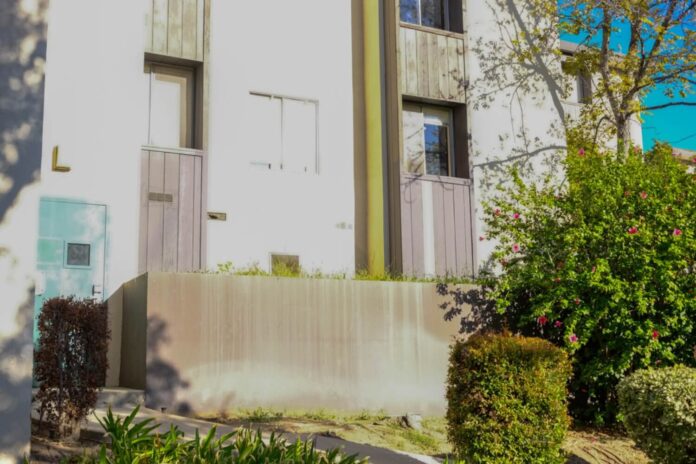
Norris Hall underwent a scheduled fumigation over winter break due to a termite infestation, according to Assistant Director of Environmental Health and Safety (EHS) Joshua-David Fischler from Facilities Management. Generally, it takes less than a week to complete the fumigation process and requires all occupants and other life to be removed from the building, as well as perishables like food and medicine.
Director of Residential Education & Housing Services (REHS) Isaiah Thomas said the school did not notify students of the expectation that food be removed beforehand for the fumigation, but communication regarding reimbursement for impacted food and medication went out at the beginning of this semester.
Fischler said he was dealing with a separate work order regarding an improperly-closing balcony door at Norris Hall last summer when he noticed signs of termite infestation.
“I discovered that these two by fours [balcony joists] had holes in them,” Fischler said. “The little trail of sawdust [the termites] leave behind, their frass. That’s how I found it, and I went ‘Oh, that’s a bad sign.’”
Fischler said that Fall Break was too short of a time to perform the fumigation, so it was scheduled over Winter Break when students would not be present.
My Termite Company representative Brandon Delgado said the company did significant termite prevention work in both the North and South buildings, including eliminating the presence of subterranean termites which reside in soil and required separate treatment under the buildings. According to Delgado, fumigation can only eliminate drywood termites because the gases do not penetrate the soil. Wooden panels on both buildings were replaced and repainted due to dry and wet rot, Delgado said, which can result from sun, sprinkler and termite damage.
“[The wood panels] had shiplaps, so we didn’t know that until after we removed the damaged wood,” Delgado said. “Shiplaps are basically indents in the wood where they overlap with one another, and those are very expensive.”
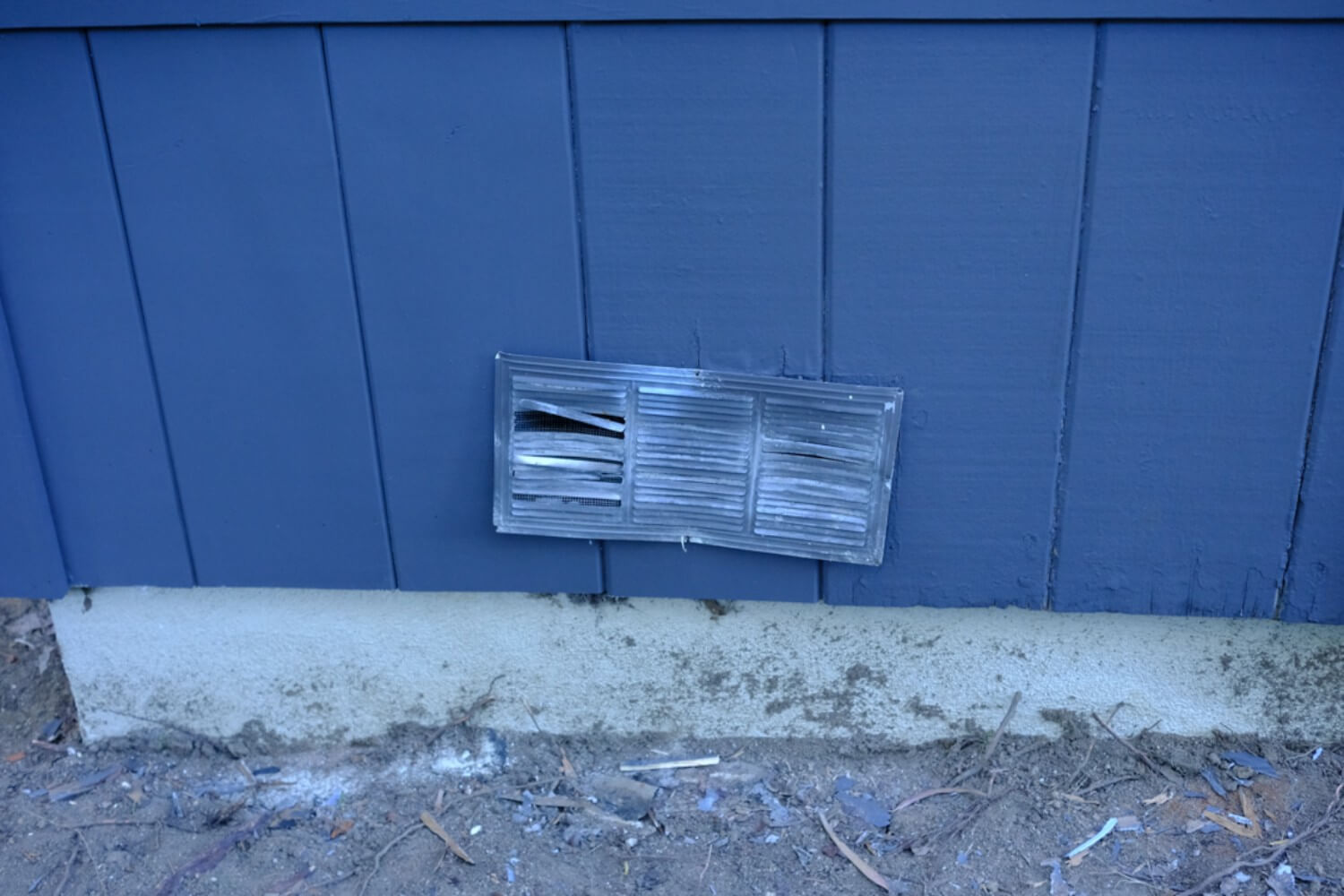
Norris Hall, completed in 1966, needed many of its wood details replaced with custom-made wood. For the patio trellis, Delgado said they had to cut larger pieces to replace thin ones that were not sold anymore. Wood panels were chemically treated to prevent pest re-infestation and primed for mold prevention, Delgado said.
Norris residents received an email from REHS Jan. 13 stating food and medications in their room were being bagged and removed for fumigation, and that any food left in their rooms should be disposed of.
Norris resident Ginny Tomlinson* (sophomore) said she first learned about the fumigation from the email, after the process had already been completed. Tomlinson said after the fumigation, she and her roommates had to throw some items out which were missed during removal and left in the room, including crackers and Ibuprofen.
“I had water for earthquake safety that I still need to pour out [because] I obviously can’t have that,” Tomlinson said. “I’m guessing that maybe they didn’t realize that there were termites going into break, or they probably would have warned us to take all of our food out.”
Tomlinson said items were labeled with room numbers, but not separated between the multiple Norris buildings. Tomlinson said the process would have been easier if student were informed of the fumigation beforehand in order to take their food out before the break.
Thomas said REHS and Facilities coordinated the removal process together and continue to work with affected students.
“Moving forward, REHS will continue to partner closely with Facilities Management to ensure our department receives all relevant details about residence hall projects that impact students, allowing us to provide more complete and timely communication,” Thomas said via email.
Contact Vivian Pei at vpei@oxy.edu.
*Ginny Tomlinson worked as a writer and illustrator for The Occidental.