



























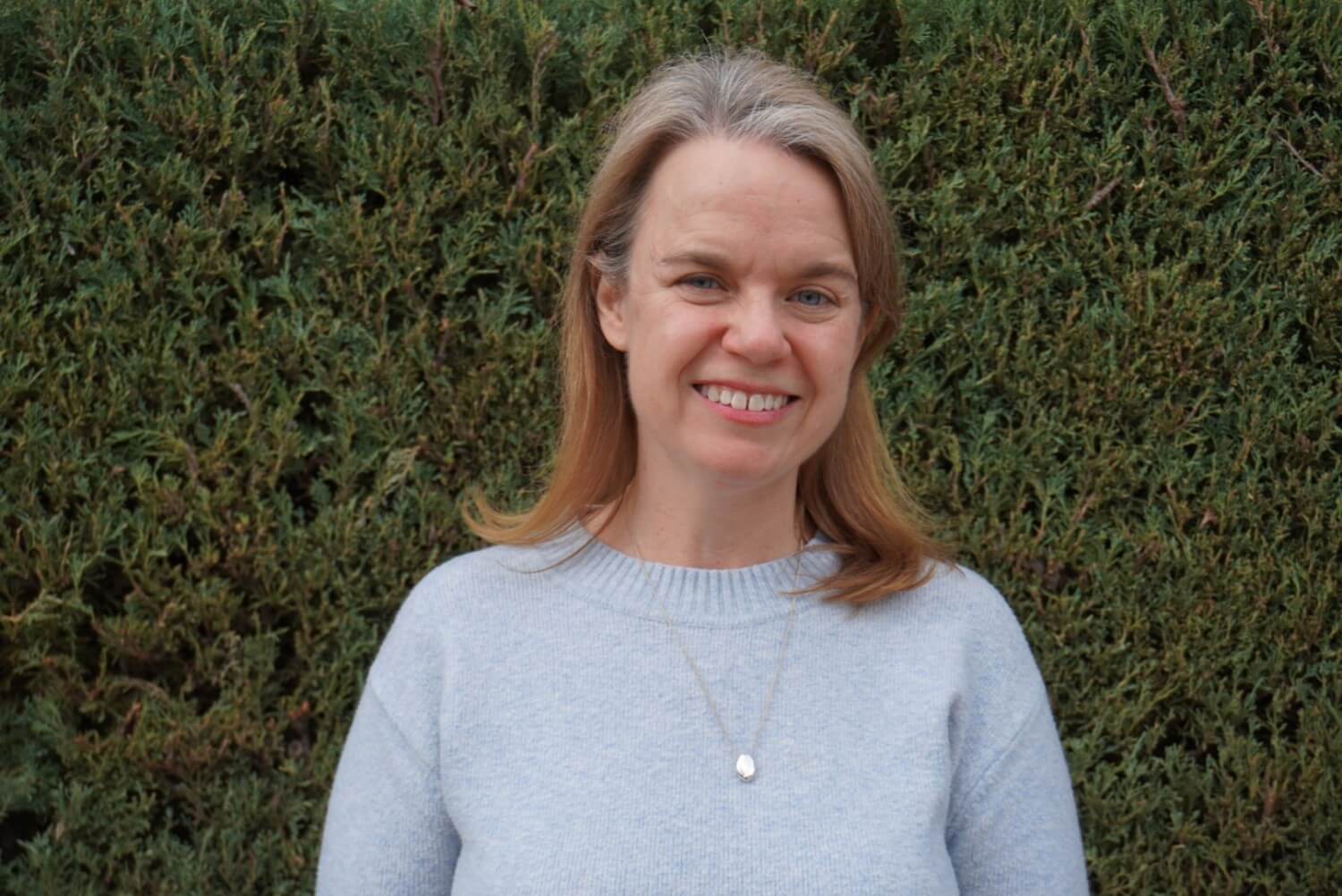
The Fulbright Scholar Program offers American undergraduates the funds to study, teach or conduct research in over 135 countries. The Chronicle of Higher Education recently ranked Occidental College 13th in the nation for producing Fulbright students from baccalaureate schools alongside Bates College and Colby University. According to Jennifer Locke, Senior Director of Fellowship and Scholar Programs at the National & International Fellowships Office, roughly one in every four Occidental students who have applied for the Fulbright have received the award. Locke said out of the 30 students who applied last year, nine were offered the award.
Locke said the appeal of the Fulbright scholarship largely has to do with the inclinations of Oxy students.
“I think it really appeals to Oxy students because a lot of [them] are very interested in engaging with other cultures in either research, teaching or both.” Locke said. “I think they can often find some sort of path that really fits their interests through the Fulbright program.”
According to Locke, though some countries expect individuals from English-related majors to apply for their teaching programs, the scholarship is open to students of all academic backgrounds.
“There tends to be the stereotype that maybe it’s international relations students or students with particular kinds of focuses,” Locke said. “But it’s really all majors that can do well and celebrate in competition.”
According to their website, the National & International Fellowships Office offers guidance to students in all years hoping to apply to the program as well as Occidental alumni who have not yet received their graduate degrees.
“If someone’s a senior right now and they feel like they’ve missed the boat in the fall, […] they can still apply,” Locke said. “They can attend our info sessions and apply through the same process if they want.”
According to Locke, Fulbright looks for students who will succeed in their proposed work — individuals with a strong academic history and experience indicating a passion for their intended study. Locke said Fulbright seeks individuals who align with the Fulbright mission and intend to engage with their country’s culture more broadly than their project.
“Fulbright’s broader mission is really one of cultural exchange.” Locke said. “They’re really looking for a sincere interest in the country you’re hoping to go to, a sense that you didn’t just choose the country randomly — that you’ve been thoughtful about what country would be a good fit for you and why you’re interested in it.”
Sarah Titcombe ’25 is a 2025 Fulbright recipient who studies bacterial pathogenesis and infection at Imperial College London. She said she studied biochemistry at Occidental and was introduced to the Fulbright program through professor Chris Craney.
“I realized I wanted to go more in the microbiology route [and] I was looking for undergraduate programs to get that transition to switch fields a bit,” Titcombe said. “What’s great about Fulbright is that it’s a full ride plus living stipends. Once I looked at Imperial [College] as my program of interest, it was a pretty quick segue to go, ‘Okay, let me get funding through Fulbright.’”

Locke said Fulbright scholars have gone on to engage in careers of all fields, including law, teaching and non-profit work.
“No matter what their next step, having that kind of cultural exchange and experience […] can make you more competitive for all kinds of things,” Locke said. “You can talk about the kind of communication skills you had to develop, the ability to be flexible and adapt to your situation.”
Anya Puri ’25 received an ETA Fulbright Award to teach English in Madrid, Spain. Puri said that although she ultimately decided to rescind the award due to a job offer from a law firm, she was amply supported by Occidental resources such as the Writing Center and the fellowships office.
“Regardless of whether you get it or not, going through the process was really valuable,” Puri said. “I learned a lot about myself.”
According to Locke, the application process typically starts the summer before the applicant’s senior year. The Fellowships Office issues an interest form and students are able to begin the process virtually.
“If you’re a junior or senior thinking about applying for the next cycle, you should be attending these info sessions,” Locke said. “Even if you’re a first year or a sophomore, it’s nice to visit these info sessions and find out what might be in the future.”
Titcombe said she encourages anyone who is interested to apply to the program.
“There’s this aspect of writing an application to this program where you really have to think deeply about what you’re doing, why you want to do it and how that connects to a global perspective,” Titcombe said. “I really do think that no matter your outcome […] the process of revision makes you think so deeply about what you’re doing, why you’re passionate about it and why it’s something that you’re going to continue to pursue throughout your life.”
Contact Shea Salcedo at ssalcedo@oxy.edu
This article was updated 5:00 p.m. Feb. 25 to reflect that there are no Fulbright teaching programs located in England or Australia and to correct a misspelling of Chris Craney’s last name.
