
























An online trend suggested that this year is going to be 2016 again, but in this feature we are looking into the future. Members of our editorial board make their predictions for old favorites that will make a comeback, as well as entirely new styles and phenomena.
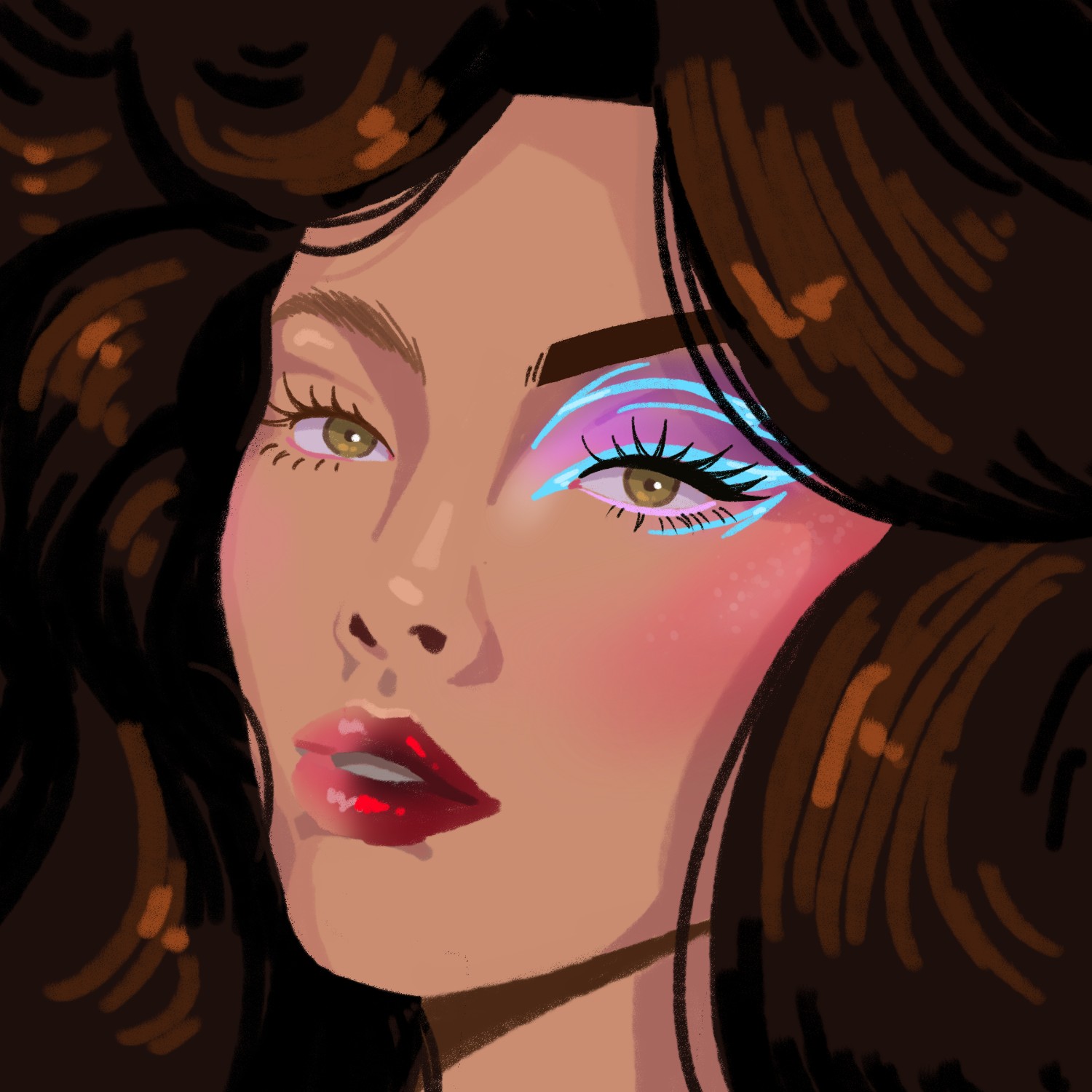
A reframed mindset around makeup usage and consumption
Anna Beatty, Arts & Culture Editor
I think one of the biggest cultural changes that will happen in 2026 is the way we think about makeup. What is popular in the makeup space is similar to how fast fashion micro trends function — the looks are extremely popular and dominate social media for only a couple months before their decline. However, there has been a shift in how we, as consumers, think about what it means when we buy makeup and why there is an appeal to it more than ever now.
Makeup now, more than in the past decade, is thought about as an item that gives the consumer satisfaction the same way going on vacation or purchasing a new car does — except a new blush costs a minute fraction of the latest luxury bag. Inflation rates continue to rise each year, and it is harder for people to make these larger purchases. Instead, people are turning to smaller luxuries, like makeup or home decor, during their retail therapy sessions.
If people are buying more makeup, this gives way to more opportunities for exploration. I personally am more inclined these days to buy a new eyeshadow palette or lip gloss, even when I didn’t originally intend to, because extreme luxury purchases are not in my budget right now. With the cost of living increasing, cheaper purchases like makeup have the ability to bring everyday excitement into our lives. We are constantly chasing ways to ensure daily happiness, and I believe makeup brands and the beauty industry as a whole profit off that desire.
Makeup is also an art and a form of escapism in our ever-changing and fast-paced lives. It is a form of expression and creativity that is fairly accessible, given that makeup products are sold almost anywhere from drug stores to high end beauty stores. Amid the perpetual stress from hustle work culture, we are constantly looking for little pockets of joy in our busy lives, and something as seemingly minute as exciting makeup looks helps maintain personhood. I predict in the coming year, new makeup products will be looked at as more of a fun toy to experiment with rather than simply a part of someone’s morning routine.
Contact Anna Beatty at beatty@oxy.edu
The revival of physical media
Josey Long, Sports Editor
After 2025 proved to be a year rife with high screen time, overconsumption and AI slop, many of us are seeking an escape from the virtual world, longing to return to a time when iPhones and rapidly cycling trends were practically nonexistent. Many teenagers and young adults are now rejecting the dopamine comas prevalent in our technology-reliant society, after realizing we cannot build real community nor self-esteem while scrolling through Instagram for eight hours a day. I believe this rejection will only increase, with more and more people seeking to reclaim their free time and build new hobbies away from their screens.
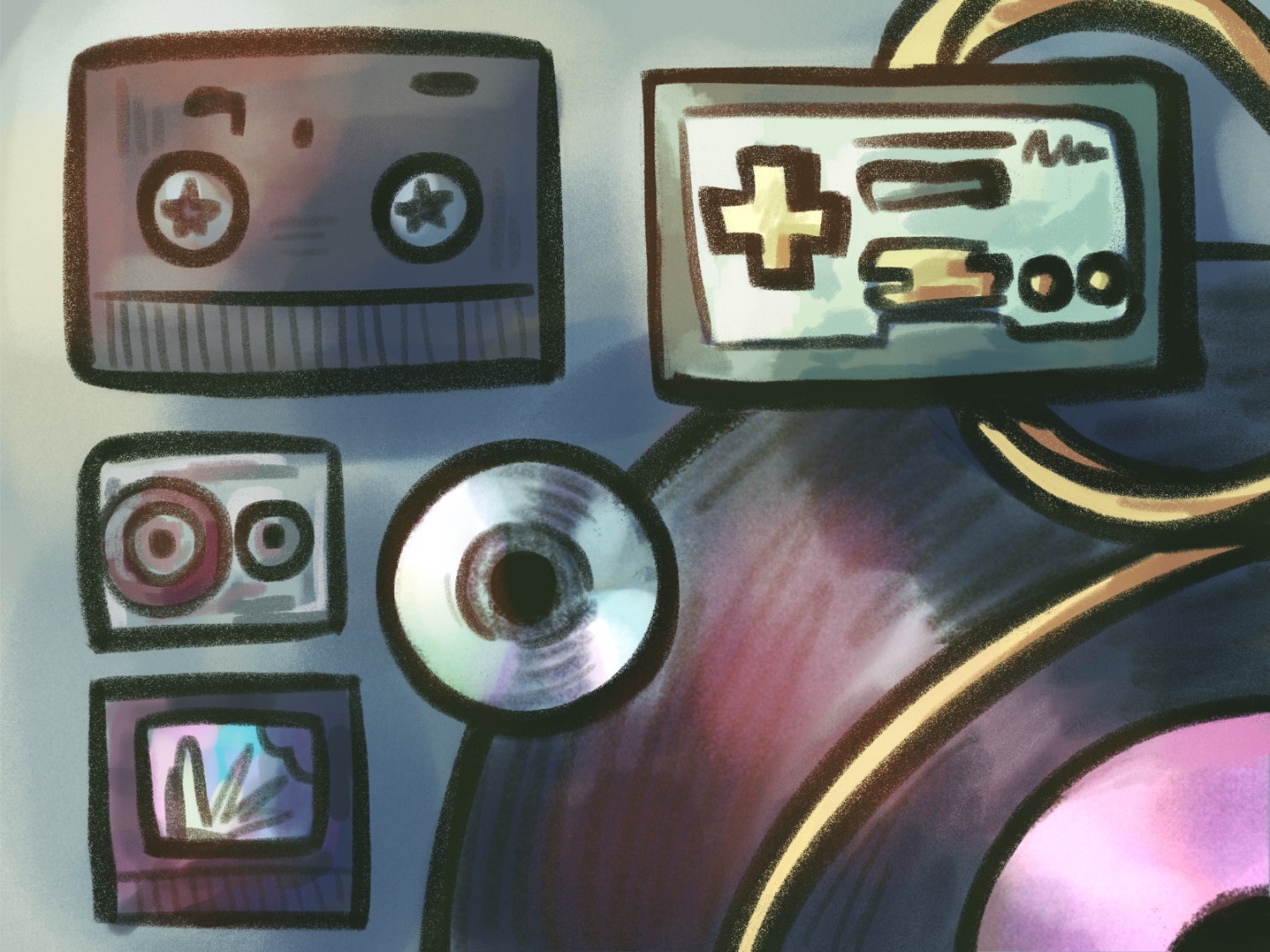
Many of us are still interested in the perks that come with using technology. Instead of iPhones, many are switching to flip phones and iPod Nanos. Streaming services are out, walkmans and cassette players are in. Mirrorless, ultra-detailed Canon photography camera? Nope—digital cameras are all the rage. Though many online users have described this phenomenon as “going analog,” the term “analog” to describe flip phone, CD and digital camera use is technically incorrect. These items are still digital—just not the kind of digital we are used to (iPhones, laptops, televisions, etc.).
Part of the reason why many are “going analog” is the oversaturation and overconsumption present across technological platforms. People are tired of excessive Stanley cup hauls, Labubu unboxings and the ever-present feeling that nothing we own is ever enough. Though some of the items returning to mainstream popularity are actually analog, such as cassette tapes, books and journals, this new “analog lifestyle” still promotes excessive purchasing habits similar to those many have been trying to escape. True, reading a physical book is better for your brain than scrolling through brain rot, but spending $500 on new books is equally as damaging to your wallet. As someone who is an avid lover of book stores, I have many books I bought years ago sitting on my shelves unread. CD and vinyl purchases reflect a similar shopping craze. Over winter break I went to a record store and was pushing past crowds of customers to find CDs of my favorite bands.
There are many aspects of technology I still find extremely valuable. As someone who is directionally challenged, Google Maps has saved me countless hours of aimless driving on the freeway. I enjoy texting my friends and family from home to stay in touch while I’m at school. Airpods and Spotify make it easy for me to listen to a variety of music while I am running.
Sometimes it feels impossible to stay away from technology completely. At many of the concerts I attend, for example, the venues require you to download the tickets to your phone and present a QR code to staff when entering. If I did not check my phone or computer for a week, I would miss important emails and notifications about coursework. However, the overwhelming amount of short-form content and banal media permeating online often makes me want to throw my phone in the trash can.
As with everything in life, balance is key. This return to physical media, though it may promote overconsumption, offers many a release from the constant noise online. At least people are trying to read and journal rather than doomscroll. In the coming year I see people returning to physical media as an escape, but also as a substitute for other habits of overconsumption. We must remind ourselves that much of this “analog lifestyle” marketing is yet another ploy to buy more. You do not need a new walkman if your mom has one lying around in your basement. You do not need a new journal that will inevitably end up at the bottom of your junk drawer. We all must do the difficult work of asking ourselves how we can use what we already have to achieve what we don’t: a higher attention span, lower screen time and a sense of fulfillment from living in the physical rather than virtual world.
Contact Josey Long at jlong2@oxy.edu
Low-key hobbies
Abigail Montopoli, Community News Editor and Nora Youngelson, Editor-in-Chief
As college students with full Google Calendars, we are making the bold prediction that hobbies will be in for 2026. And we aren’t alone in this prediction. NBC News recently reported that “grandma hobbies” such as knitting, needlepoint and mahjong, are the new trending items. Similar to the analog revival that Josey Long (sophomore) mentioned, these hobbies are meant to encourage the younger generation to get off of their phones.
However, our 2026 prediction for the rise in hobbies has a slight caveat. Our prediction (or hope is the better word) is not that we must fully commit to hours of needlepoint or to a time-consuming game of mahjong. In fact, we have already fallen prey to an uncommitted hobby, maybe because we believed it was the “trending” thing to do. Tangled balls of yarn and half-finished knitting projects litter our floors, reminders of our failed projects. After obtaining knitting needles, yarn and other necessities to create woolen products (what even is a stitch marker?), we realized knitting a scarf, let alone a sweater, may be too big a hobby to take on with our limited hours in a day. For many college students, a hobby that requires hours to complete a final product is not sustainable long-term.
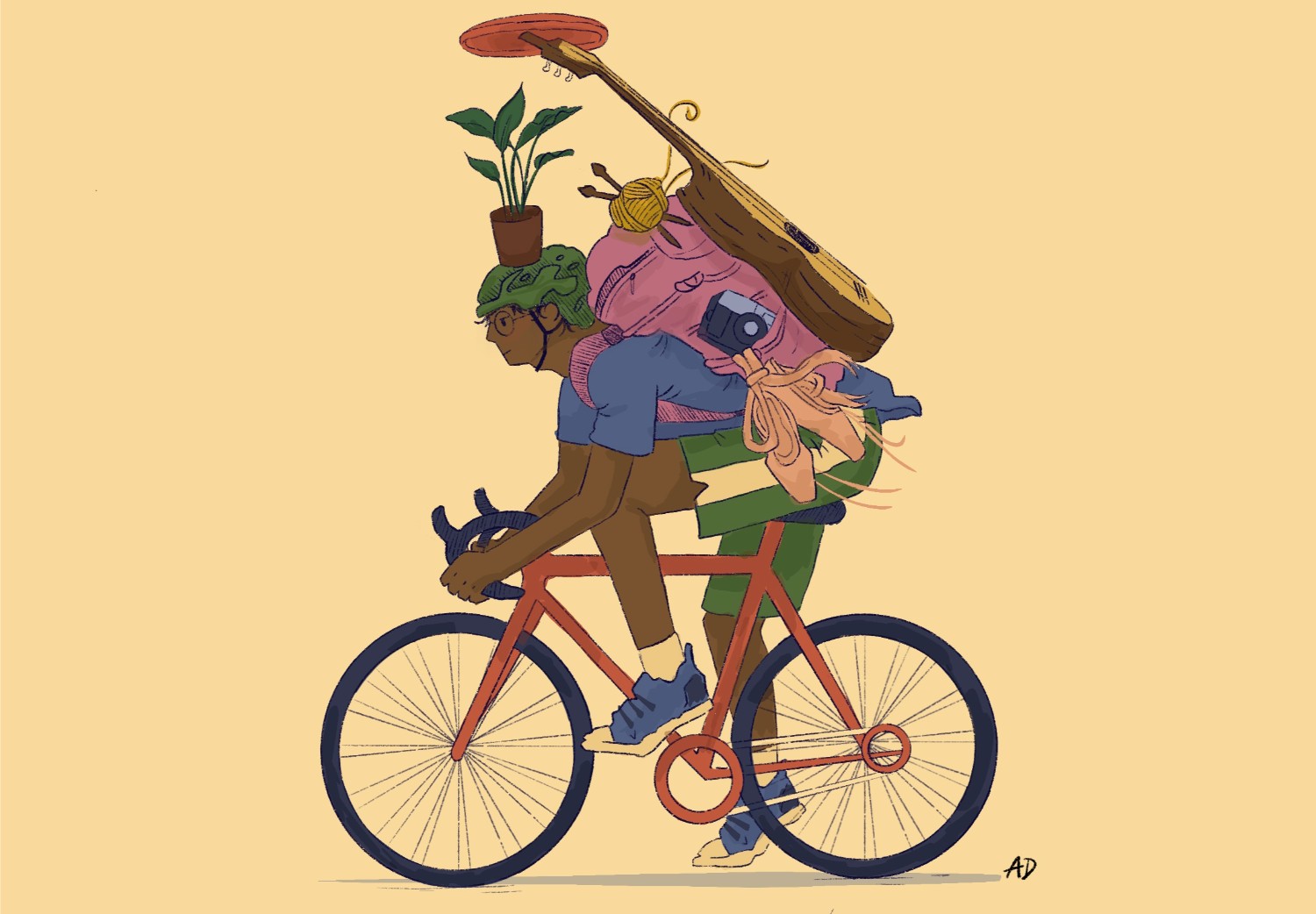
This is why we predict a rise in less involved hobbies, both for us during our final semester of college, and for others in 2026. Absent-minded doodling on the sides of tedious readings, color by numbers on an iPad or filling in simple outlines on printouts help to occupy our minds in ways that allow us to be creative in bite-sized chunks. Instead of committing ourselves to creating a product, 2026 will be the year of testing out many different analog activities, in a way that still allows us to disconnect from our phones.
One of the essential bite-sized hobbies that we predict will take over 2026 is photography. Beyond doing photos for The Occidental, we love to shoot on our film cameras. This easy and portable hobby allows us to document the final chapter of our Occidental careers and adds a little “sweet” to the somewhat bitter idea of closing this part of our lives. Snippets of conversations on the quad, movie nights at home or days exploring LA have immortalized themselves in our camera rolls.
So we encourage you all to join us in our 2026 prediction. Pick up a small hobby and spend time doodling, taking photos or tossing a frisbee—whatever it is that makes you happy. But with these bite-sized hobbies that we are predicting will be in for 2026, we also predict that perfection will be out. Allow yourself to be bad at these hobbies. Make a really bad painting before your 9 a.m. class or take an overexposed photo. Too much time and energy in 2025 was spent on producing a flawless product.
Contact Abigail Montopoli at montopoli@oxy.edu and Nora Youngelson at youngelson@oxy.edu
Innovative fashion
Eli Heringman, Managing Editor
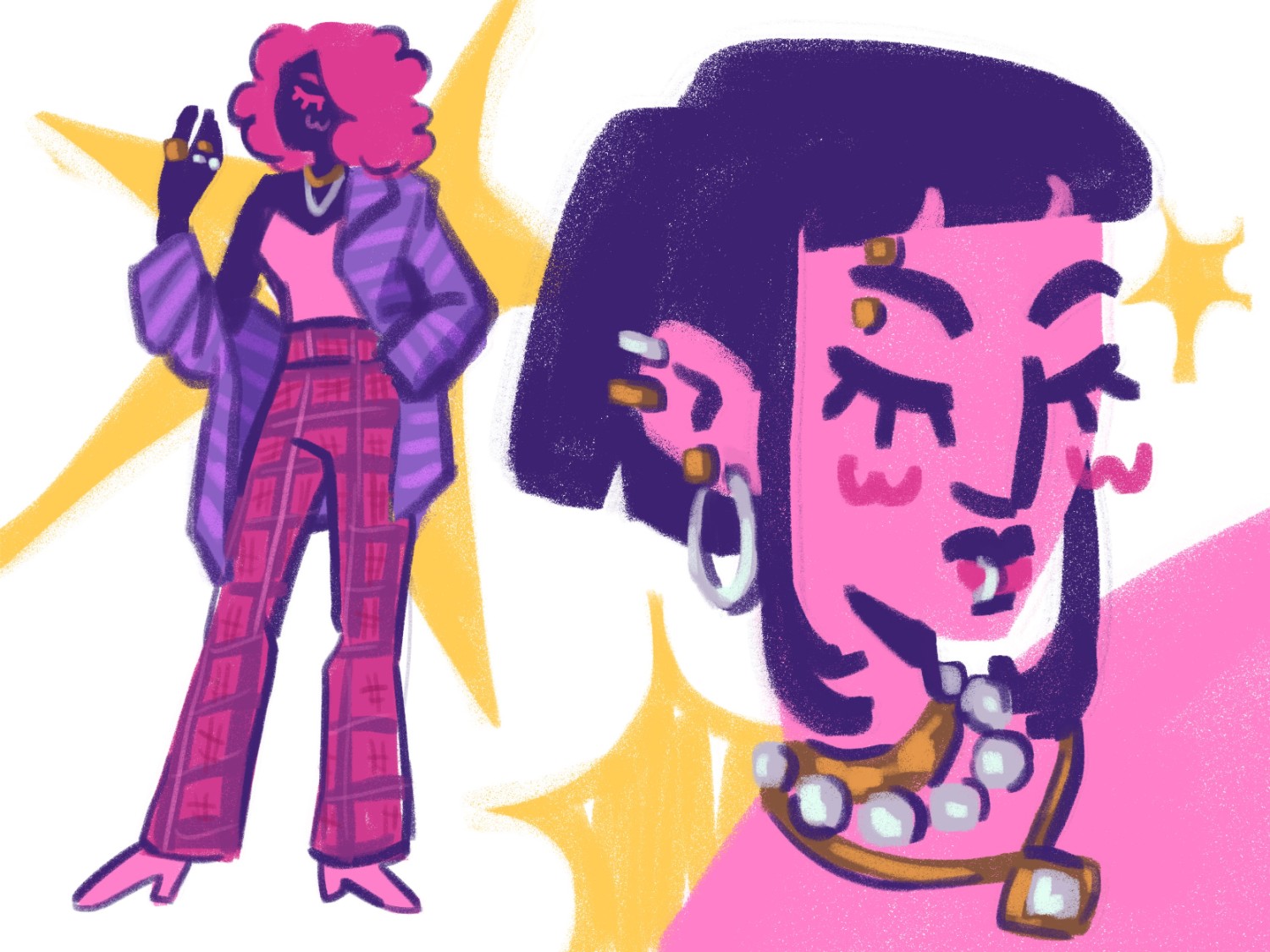
As political and economic conditions became bleaker over the course of 2025, fashion became bolder. Loud colors and patterns rose in popularity. Labubus seemed to spread across the country overnight. Experimental textures — fur, sequins — captivated the masses. Some of these trends, ripe with 2000s and 2010s nostalgia, will surely continue into the new year, dubbed the second coming of 2016 by hometown bars and Norris parties alike. I certainly hope we won’t be saying goodbye to animal print anytime soon. In 2026, I predict stylistic choices will get even bolder, as people try harder to make their voices heard and push the envelope.
Loud patterns won’t be going anywhere. Particularly, plaid will be back in a major way (not flannel shirts; think A$AP Rocky, Paris Fashion Week 2025). In fact, the thing to do in 2026 will be to patternmax: combine loud patterns. An outfit I particularly enjoyed viewing this month was a combination of cheetah print sweats and a colorblocked skate hoodie, tied together by a pink bag dotted with hearts. What better way to put a spin on the ever-popular stripes and camo in your closet than to wear them at the same time?
Gold and silver prices have soared in the past year (until a recent plummet), making gold and silver jewelry all the more exciting. Often, it’s hard to choose between the two. The question I find myself asking recently: why choose? Mixing metals is nothing new. A harmless way to break a rule and have fun accesorising. An easy way to elevate an outfit. When done well, gold and silver accessories complement each other nicely. Both precious metals deserve their time to shine, and I hope those still averse to mixing the two come around this year.
Denim is an essential part of any wardrobe. In streetwear, baggy jeans have been in the spotlight for a long time, and skinny jeans have made a recent comeback. Mom jeans, low rise jeans, selvedge jeans… the list could go on. I predict that fatigue of this staple will set in and alternatives will become increasingly stylish. I love a good pleated trouser or pinstripe pant, and on the other side of the formality spectrum, an appropriately massive cargo short or colorful tracksuit. People want to dress up and dress down. Jeans are a middle ground, an easy but meaningless place to stand.
While drafting this article, I met my fashionable friend Regina Orourke for dinner in Santa Monica. She was wearing plaid. In fact, a plaid scarf, and at the time, I had been intending to write about scarves in this section as well. Orourke gave me a better idea. In the process of downsizing her closet, Orourke said she has been eliminating polyester garments, choosing instead to embrace natural fibers, which are better for us and for the environment. I plan to take inspiration from her story, and to be more conscious of what I’m putting on my body and where it comes from in 2026.
Take all of these predictions with a grain of salt. I am an avid fan of the Canadian tuxedo, and certainly won’t be phasing denim out of my closet. Natural fibers are better for the planet than synthetic fibers, but the lowest impact way to buy clothes is to buy used. The best way to dress is to dress how you want to, and one thing I love about Occidental is how expressive our student body gets with fashion. In 2026, embrace and explore your personal style. If the above ideas encourage experimentation, the aim of this section will have been achieved.
Contact Eli Heringman at heringman@oxy.edu
Building community in third spaces
Diana Trutia, Features Editor
In 2026, I predict that people will take the initiative more than ever to step outside and reconnect with friends new and old, particularly in the “third spaces” that exist away from home and work. The term “third space” was first coined in the 1980s, when sociologist Ray Oldenburg defined a third space as “a space for informal, free social interaction, essential to democracy.” Now, U.S. researchers have begun discussing a “loneliness epidemic” where people—especially young people—are only becoming more isolated from each other due to the increased ubiquity of technology, too many hours at work and individualism within American society.
I see this among my own friends and classmates, with our schedules so full and vastly different from one another, planning out a hangout has become challenging. In my own free time, I feel tempted to let go of the stress of my schoolwork and jobs by scrolling on my phone for an hour or two, though at best it doesn’t leave me feeling any better and at worst I get caught in a trap of being unable to look away, only becoming more stressed by the news I see. But when our schedules align, what always does make me feel better is being with the people I care about, whether we’re sharing our concerns or having the silliest conversation.
Not only do we spend more time online, but our political climate is only becoming more polarized and censorship is rapidly increasing, including in higher education contexts where many young adults spend most of their time. Increasingly we feel not just that we don’t have the time to speak, but also that we don’t have the opportunity, making the desire for open conversation even stronger. Only through conversation will we be able to process the changes in our society and figure out what we can do about them. As we do the difficult work of dealing with political turmoil, it will become more important than ever to have spaces where we can simply unwind.
I predict that in 2026, we’ll be doing more than ever to connect with our communities and make time for each other. Whether it’s meeting with old friends at a café, joining a local advocacy group, or indulging in a shared hobby, getting out of the house and spending time with others will be a source of healing, perseverance and belonging.
Contact Diana Trutia at trutia@oxy.edu