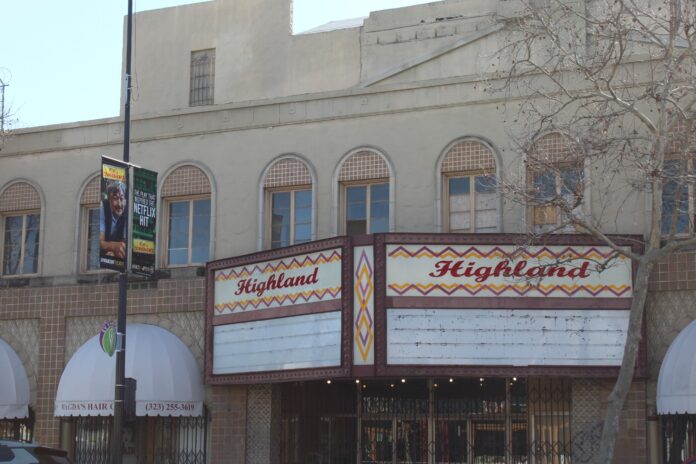
After an indefinite closure beginning in February 2024, the century-old Highland Theatre was recently purchased by actor and director Kristen Stewart, with the goal of maintaining the space as a community hub. The theater will likely reopen in the coming years, according to NBC4 LA.
Lance Simon, an organizer of the Highland Park Film Festival, said he is hopeful the Highland Theatre’s new owners will hold true to their promise of utilizing the theater as a space for community.
“My hope is that the words that have been put out there in the public [by Stewart] are authentic, they’re genuine,” Simon said. “We can help people to pay the bill, to utilize the building, but also have people engaged to make them respect the building, make them more proud of the neighborhood they live in, share their joy and pain.”
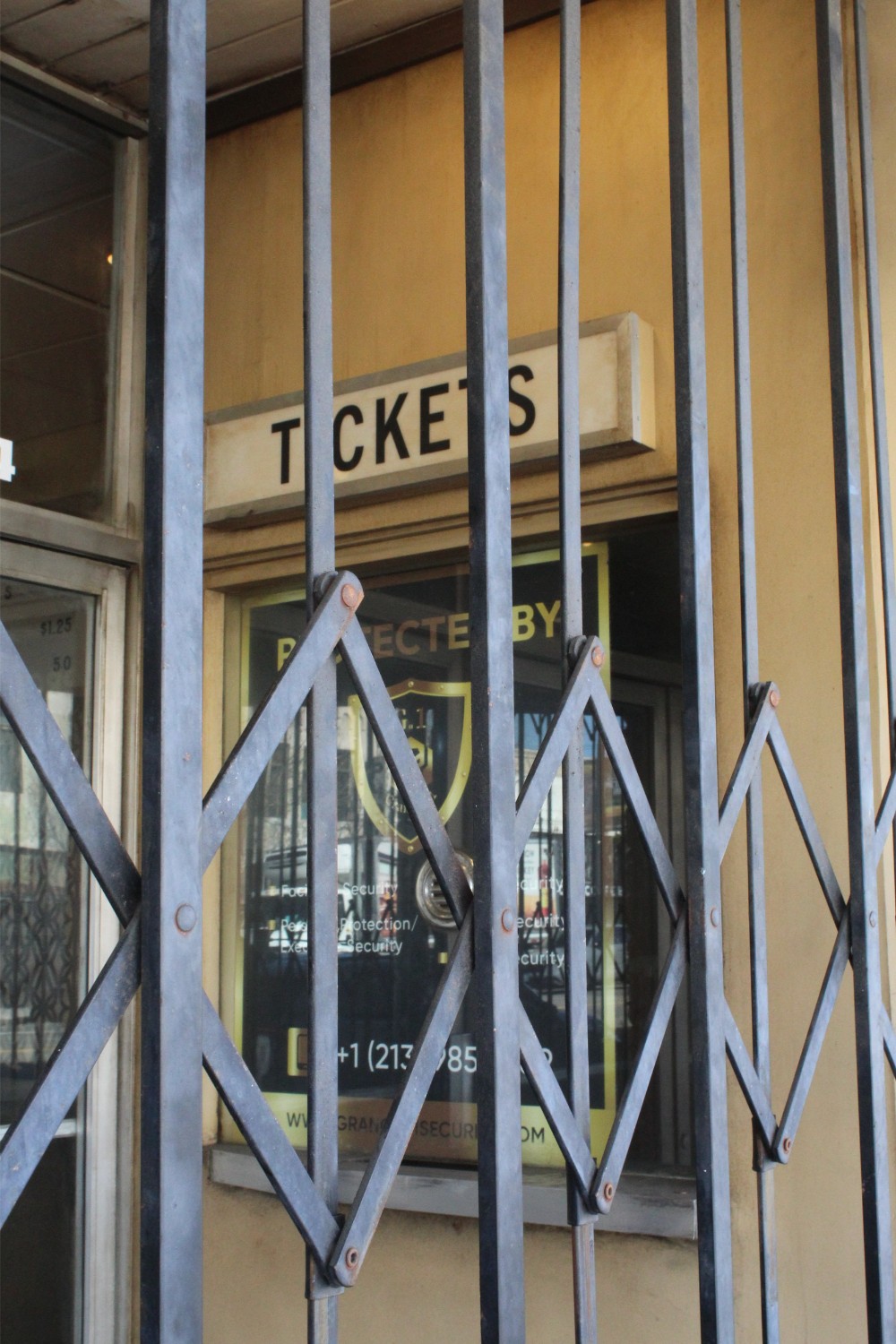
According to Simon, the theater remained furnished after the closure. Simon said previous infrastructure, built for older technologies, can serve new purposes when the theater reopens.
“The building is so much more beautiful than you can even imagine,” Simon said. “There’s all this back-of-house space that is no longer relevant to film projection, which can be used for other events. You could make a speakeasy.”
Jamie Tijerina, president of the Highland Park Heritage Trust, said the Highland Theatre has been designated as a historic cultural monument since the 1990s. According to Tijerina, one of the primary issues faced by local art spaces is the lack of economic resources, which ultimately led to the closure of the Highland Theatre.
“Many of [these spaces] run on completely all-volunteer labor, and for the long term, is that sustainable?” Tijerina said. “How long can people keep these things up without the sufficient support needed?”

According to Marita De La Torre, a co-founder of the Highland Park Film Festival, Highland Theatre was well-regarded by the local community in the decades leading up to its closure. De La Torre said the theater was affordable, even when prices at comparable theaters were higher.
“Everyone in Highland Park, no matter what — if you were a newcomer or someone that had always been here — could afford to go see a first-run movie,” De La Torre said.
De La Torre said Highland Park had not hosted a film festival prior to 2014 and the Highland Park Film Festival represented a key opportunity for community members to connect. De La Torre said the theater was not only the original festival location but also championed the festival’s creation in 2014.
According to Simon, the festival consistently aims to feature filmmakers with strong connections to Highland Park and give these filmmakers the opportunity to tell their personal stories.
“It’s stories about Los Angeles, it’s stories about growing up with a single parent, it’s stories about the fantasies children have, of being adults, of being an astronaut,” Simon said. “Kids realize that they get to tell their story now.”
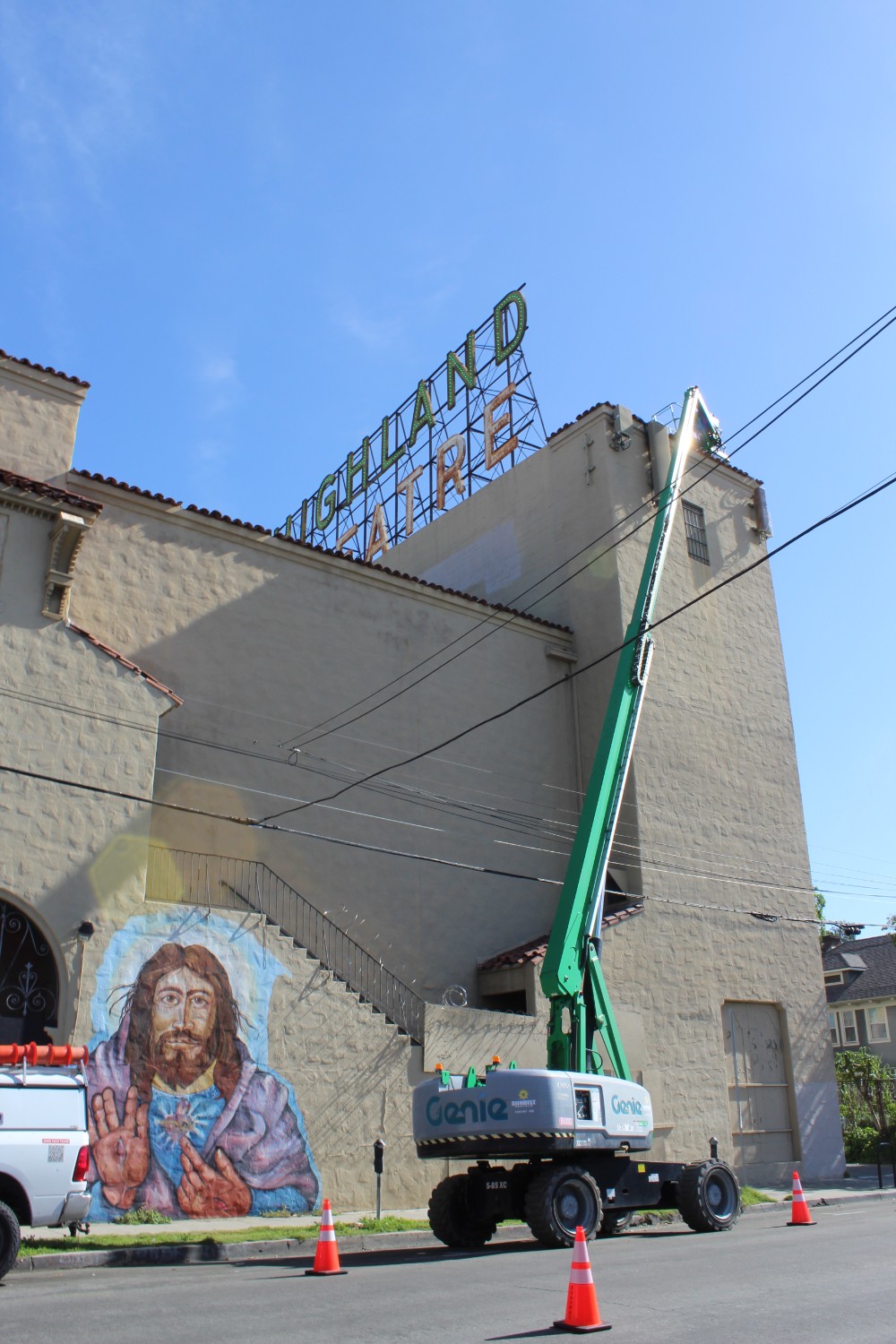
Simon said the reopening of the theater would benefit not only Highland Park, but the entirety of LA, due to the historic relevance of the neighborhood.
“Highland Park was the first suburb of downtown Los Angeles,” Simon said. “[The reopening] is important for Los Angeles because it’s so easy to get lost in this mega city, right? […] LA works not because it’s huge, but because it’s a huge place with a lot of little communities within it.”
Tijerina said she expects locals to be excited about the reopening of the theater, so long as it continues to serve its original mission of supporting the community.
“Back when [the theater] closed, there was a wider conversation around the closure of theaters in Los Angeles as a whole, and the closure of theaters generally, especially post-pandemic and post-streaming era,” Tijerina said. “It’s really positive that we have somebody who is willing to make this a theater again, and who seems to have a goal for the theater in the future to be open to the community, and it doesn’t seem like the vision for it is going to be exclusive.”
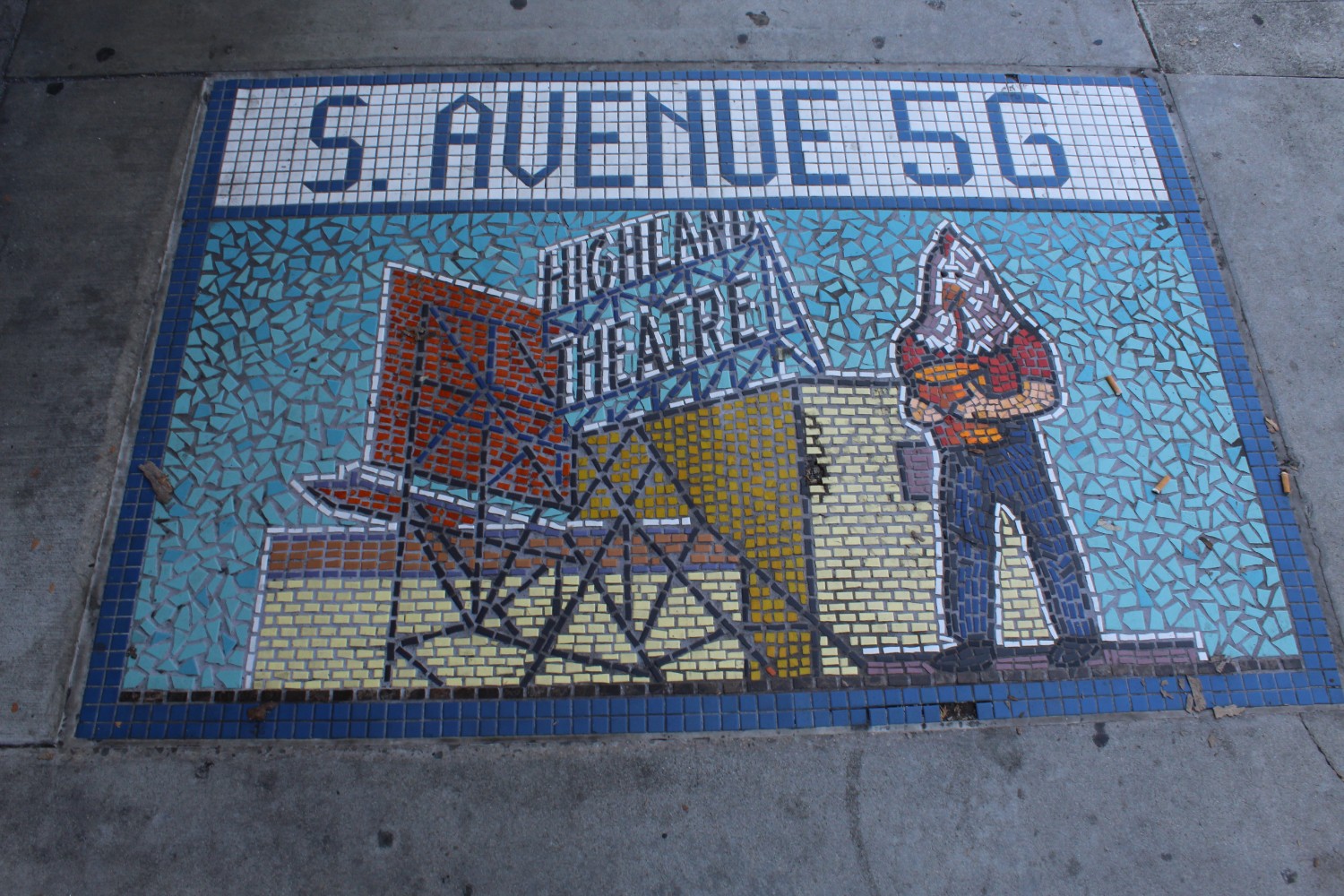
According to Tijerina, Highland Theatre’s successful reopening in a community-oriented way may encourage others to follow suit with additional historical theaters around the country.
“Having a successful model would mean that we’d have other successful instances where somebody who’s able to put in the cost, who’s independent and more community oriented and hands-on and on the ground, in the space, would be actively involved [in theater restoration],” Tijerina said.
De La Torre said she is pleased the new owners of the theater have chosen to focus on community rather than pure economic gain, preserving the social history of the theater.
“They chose the right thing, they were on the right side of the history of the Highland Theatre,” De La Torre said. “It’s exciting that [the theater] found an owner who is so cool, first of all, and a filmmaker, and an actor, [who is] going to be its champion.”
Contact Diana Trutia at trutia@oxy.edu