





























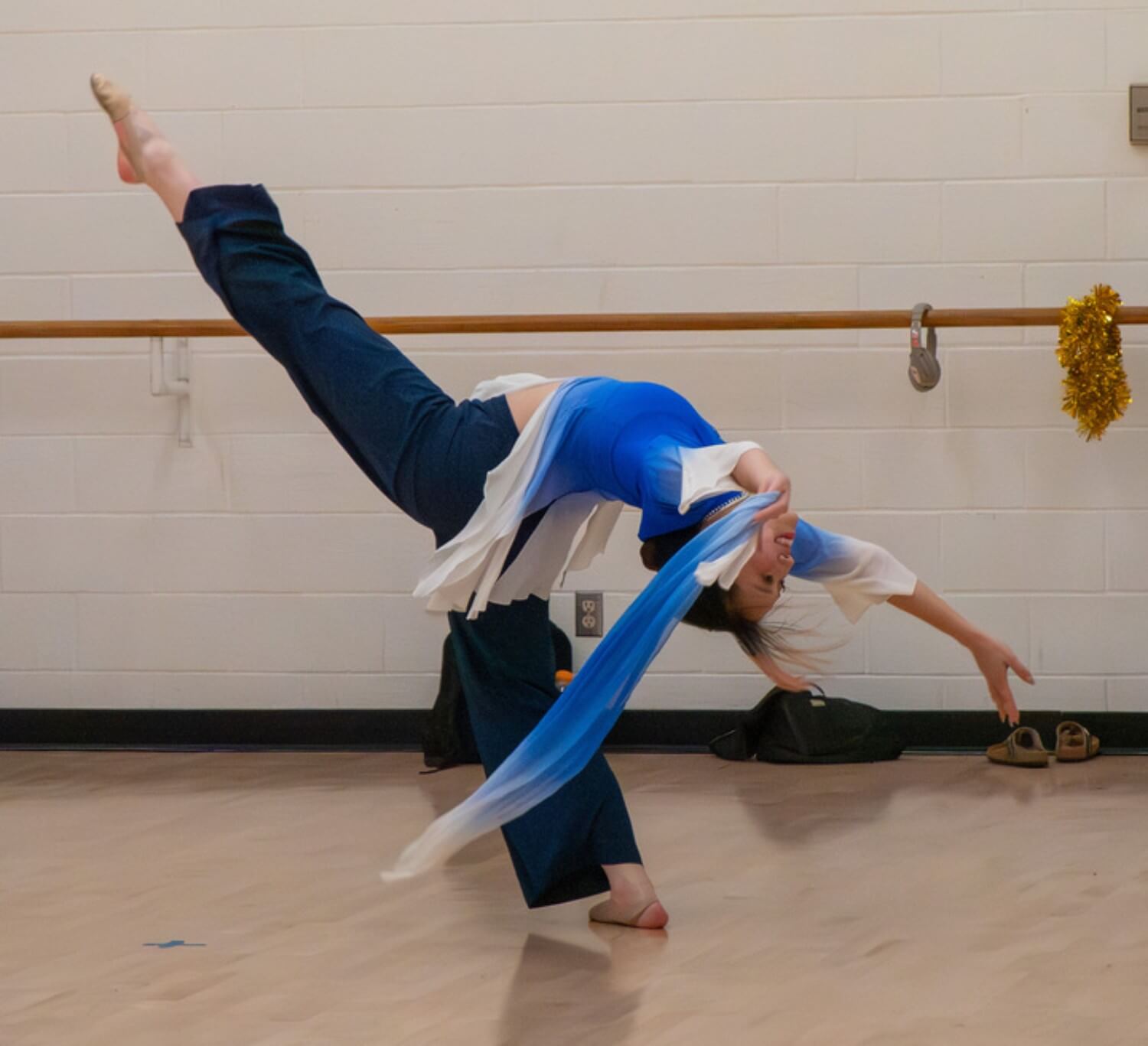
Nine cultural dance performances by Occidental students and staff took the stage in the Dance Studio as part of the first United Nations Week Global Dance Night March 26. The event showcased dances from Mexico, South Africa, Myanmar, China and more, and featured styles ranging from flamenco to ballet to reggaeton. The event was part of a collaboration between the Diplomacy & World Affairs Department (DWA), PULSE Dance Club and IntOxy, Occidental’s international student association. According to the DWA website, the college has hosted UN week for over twenty years, aiming to raise awareness of global issues through informational and community events on campus.
According to Samantha Stever-Zeitlin (junior), DWA holds UN Week annually, led by a student organizing committee and faculty members. Stever-Zeitlin said while hosting a UN keynote speaker, alumni panels and a trivia night, the committee also wanted to incorporate visual arts and performance into the programming.
“I thought [Global Dance Night] would be a great way to engage people not just in a strictly academic sense, but also in a cultural sense,” Stever-Zeitlin said. “Dance really connects people from different cultures and different places around the world, and I think it’s something universal that we should celebrate.”
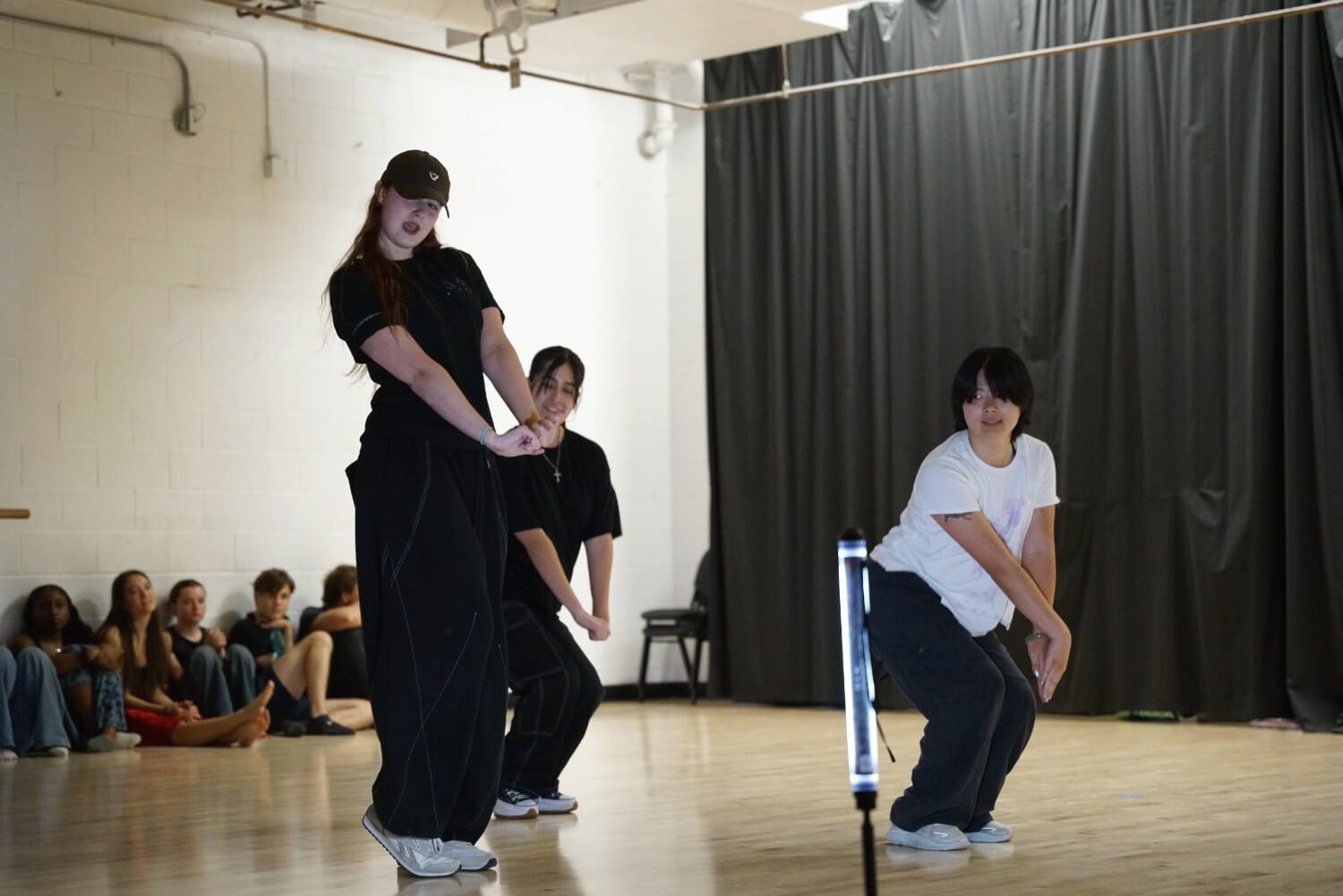
Stever-Zeitlin is president of PULSE, a club that hosts two student-led dance workshops each week, in addition to other performances throughout the year. Stever-Zeitlin said she jumped at the opportunity to connect her passion for global affairs and her experience in the performing arts when fellow DWA major, Kimaya Hegde (sophomore), proposed a dance-centered event at one of their meetings.
“There’s always been a little bit of global art infused into UN Week, but we’ve never done anything related to dance since I’ve been here,” Stever-Zeitlin said. “The student committee organizes additional events and really brings it to life, I would say.”
One of the intentions with the event was to highlight styles of dance that do not have as visible a platform for performances, Stever-Zeitlin said. According to Stever-Zeitlin, while PULSE has hosted cultural dance workshops before, the Global Dance Night is an event of a much greater scale because of the addition of an audience.
Violet Tong (first year), who performed as part of the Folk & Historical Dance Troupe, said she was excited to participate in the performance and see so many enthusiastic supporters who had come out to enjoy the show.
“I was impressed with the turnout, that was really cool, there was very high energy the whole time,” Tong said. “I love that they opened the show with how dance is a universal language — that it doesn’t matter where you come from and what language you speak, we can all connect through dance.”
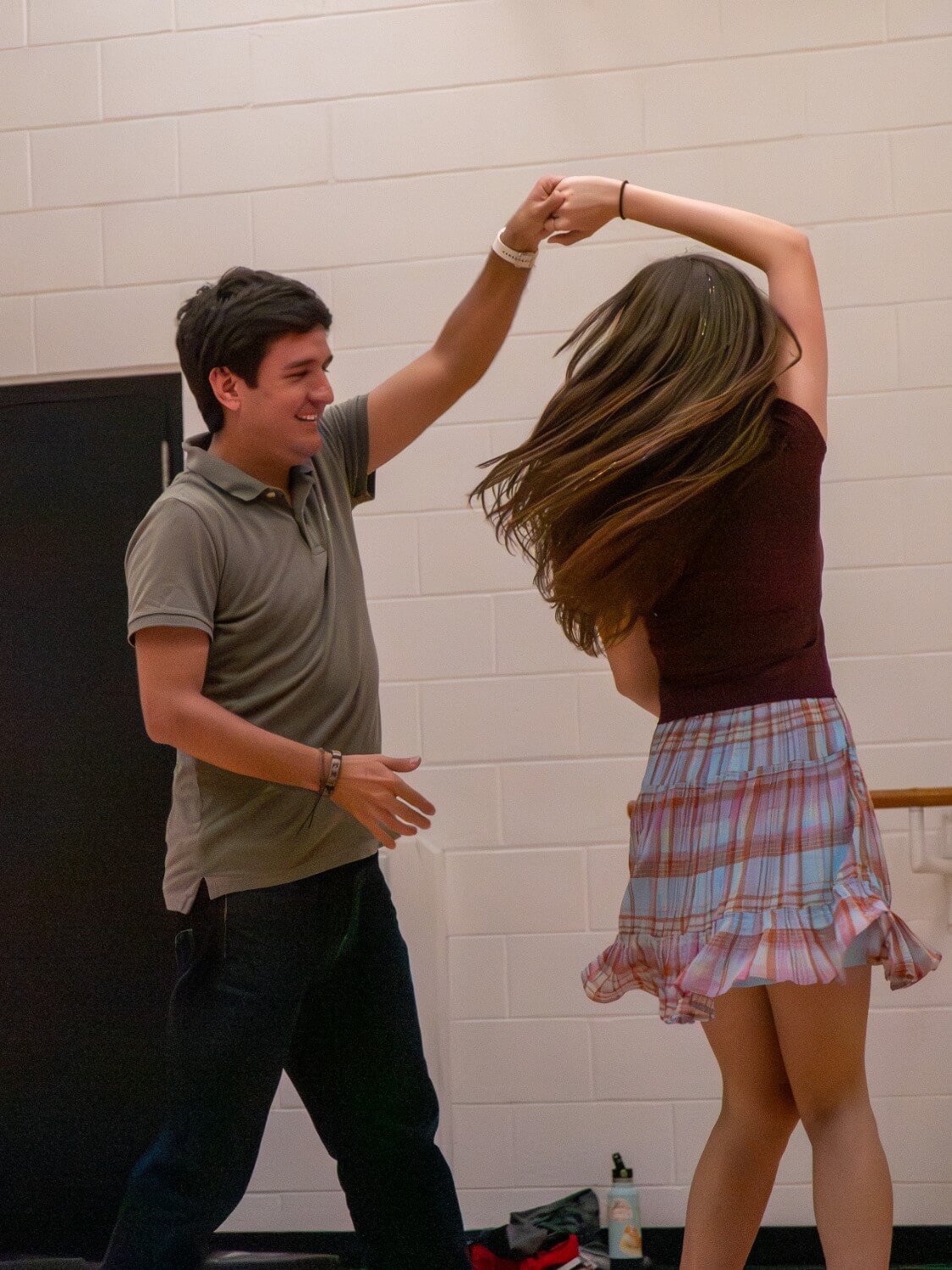
Tong performed a bachata duet later in the night with Assistant Professor of Computer Science, Hector Camarillo Abad. Their performance, which was not choreographed in advance, earned a standing ovation from their fellow dancers in the Folk & Historical Dance Troupe.
Camarillo Abad also performed a solo flamenco number with which he said he wanted to emphasize the theatrical, dramatic style that he had practiced since he was young. Camarillo Abad said his passion for dance began when he joined a Spanish folklore group in his home city of Puebla, Mexico.
“I think I was very shy, but [dance] made me more outgoing and more comfortable in front of an audience,” Camarillo Abad said. “It also influenced me as a professor, because I see the classroom as an audience where I need to present something, which is kind of like a mini-performance.”
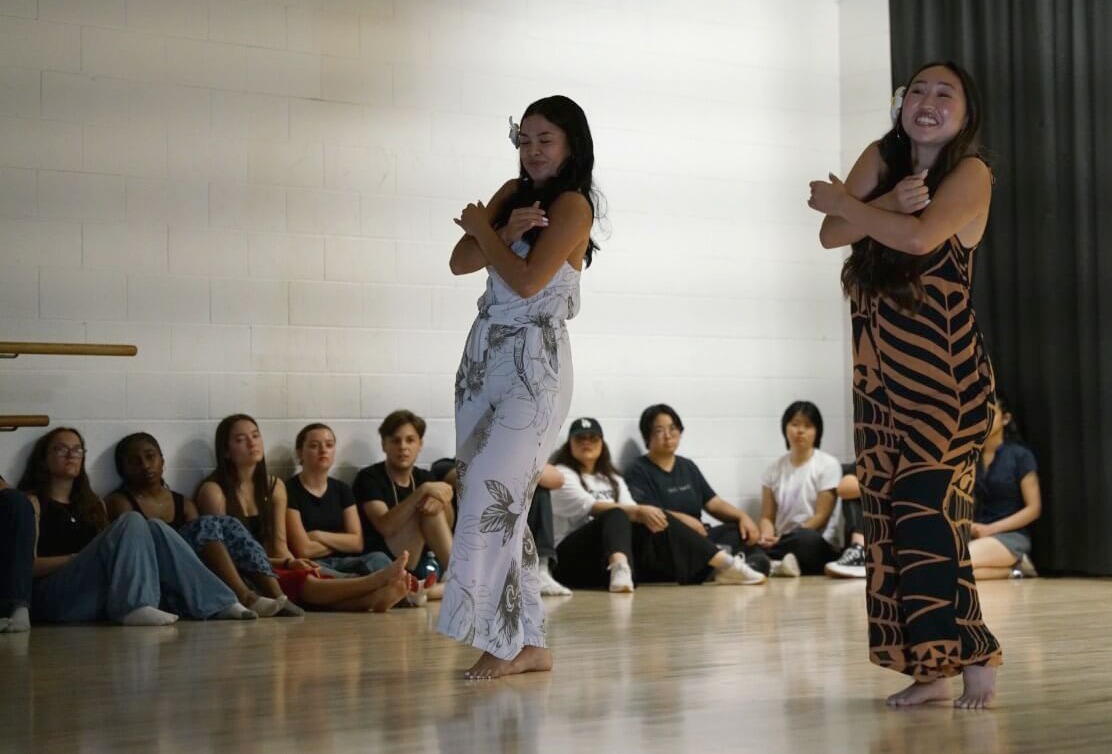
Stever-Zeitlin said the purpose of the event was to raise awareness about the diversity of styles across the world and to provide a space for dances that are not regularly performed.
“I want the event to highlight the talent and artistry of dancers at Oxy who put so much effort into their dance styles, and yet they’re not seen that much on campus,” Stever-Zeitlin said. “One goal is to give people who do non-American dance styles a moment to shine.”
Tong said unity through performance was a theme that underscored the event and a value held by all of the dancers who performed.
“I think in a perfect world, dance could create peace,” Tong said. “We’d be able to appreciate each other for our differences, and our similarities at the same time.”
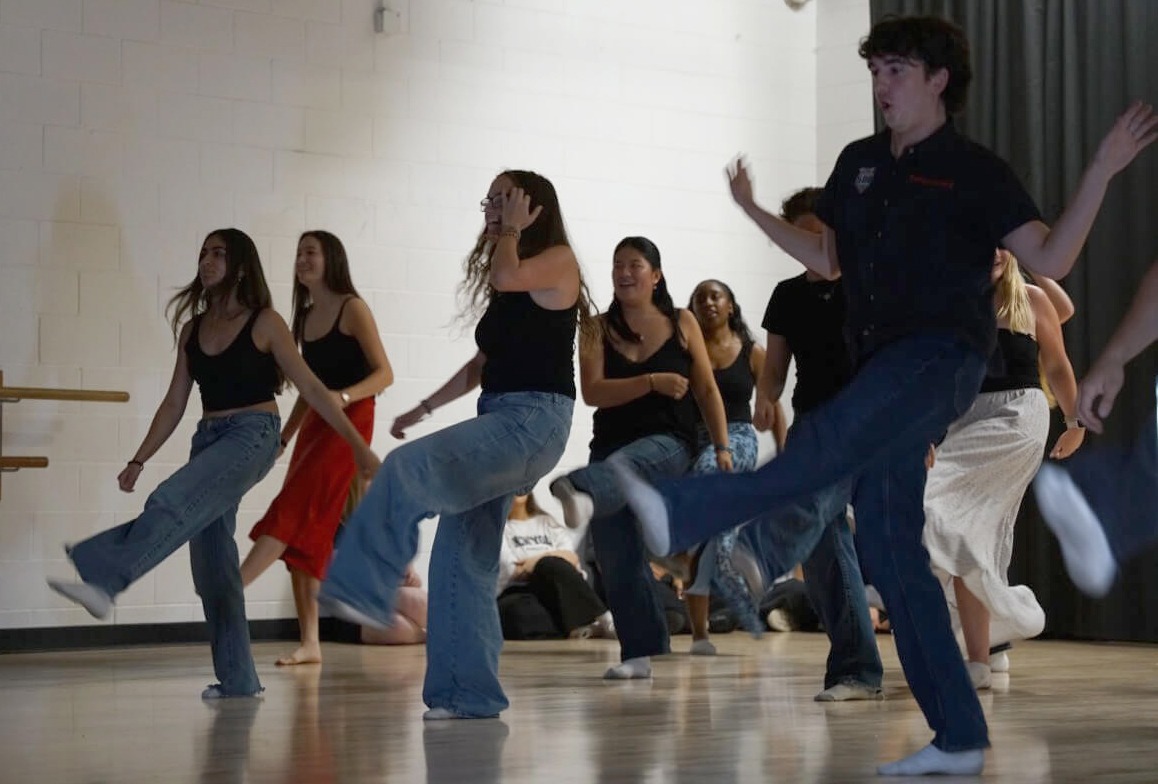
According to Camarillo Abad, an energetic audience and encouraging hosts elevated the performances, and helped create an uplifting sense of community among everyone involved.
“I felt very welcomed by [the audience], they really supported me,” Camarillo Abad said. “They just had such great energy, and it reminded me of the times when we were doing performances back in my city of Puebla at the theatre, where everyone was just so excited and we all had worked so hard.”
Stever-Zeitlin said Global Dance Night was meant to be emblematic of how powerful it can be when people of different cultures come together to celebrate one another. Stever-Zeitlin said she hopes that the event will continue next year and beyond as a crucial component of UN Week.
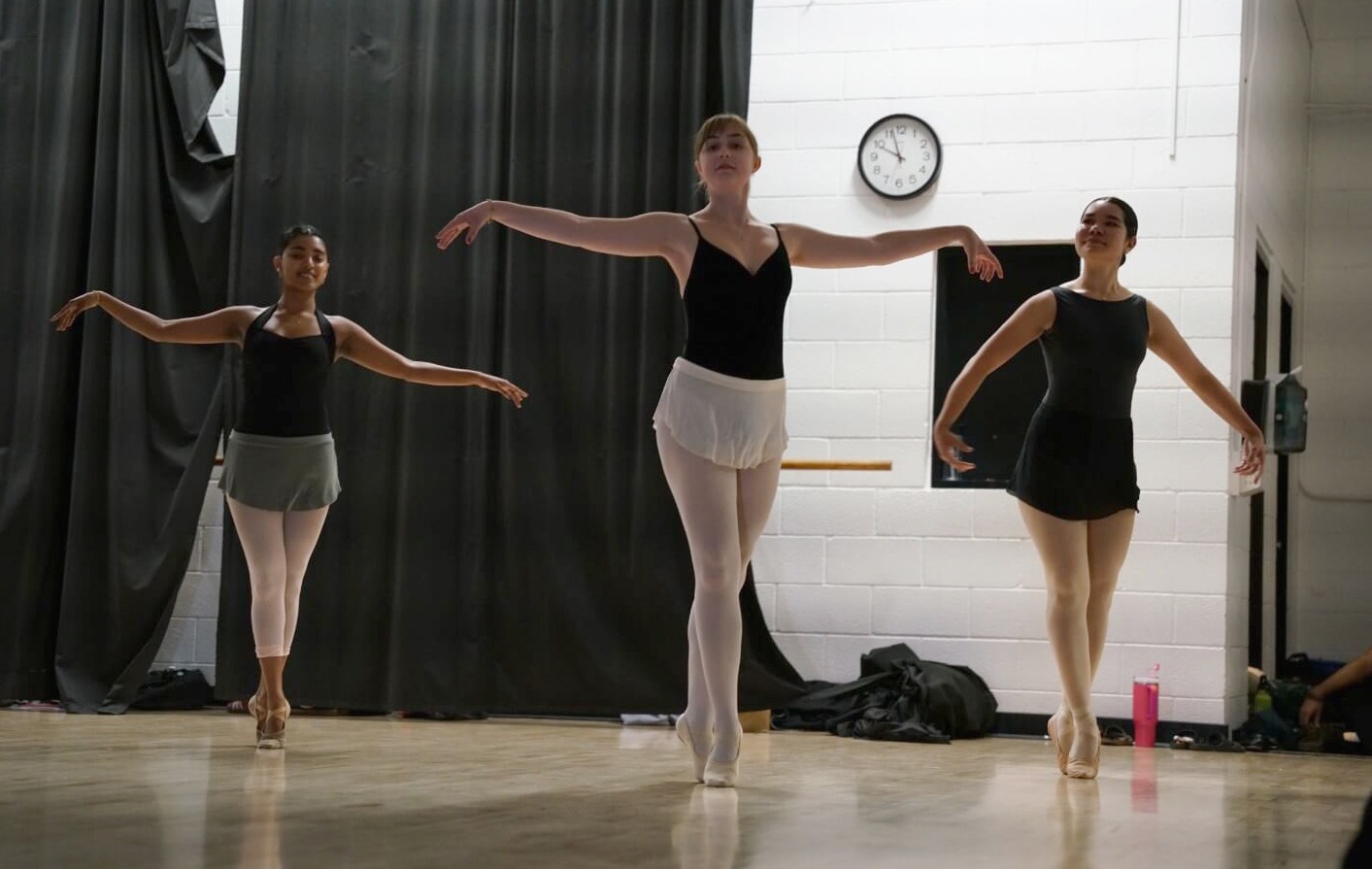
“Dance transcends language barriers — so much of interconnectedness globally can be found through the arts and through dance,” Stever-Zeitlin said.
Camarillo Abad said she believes that dance should be a priority in our world because of the way it can connect us to our culture and to one another.
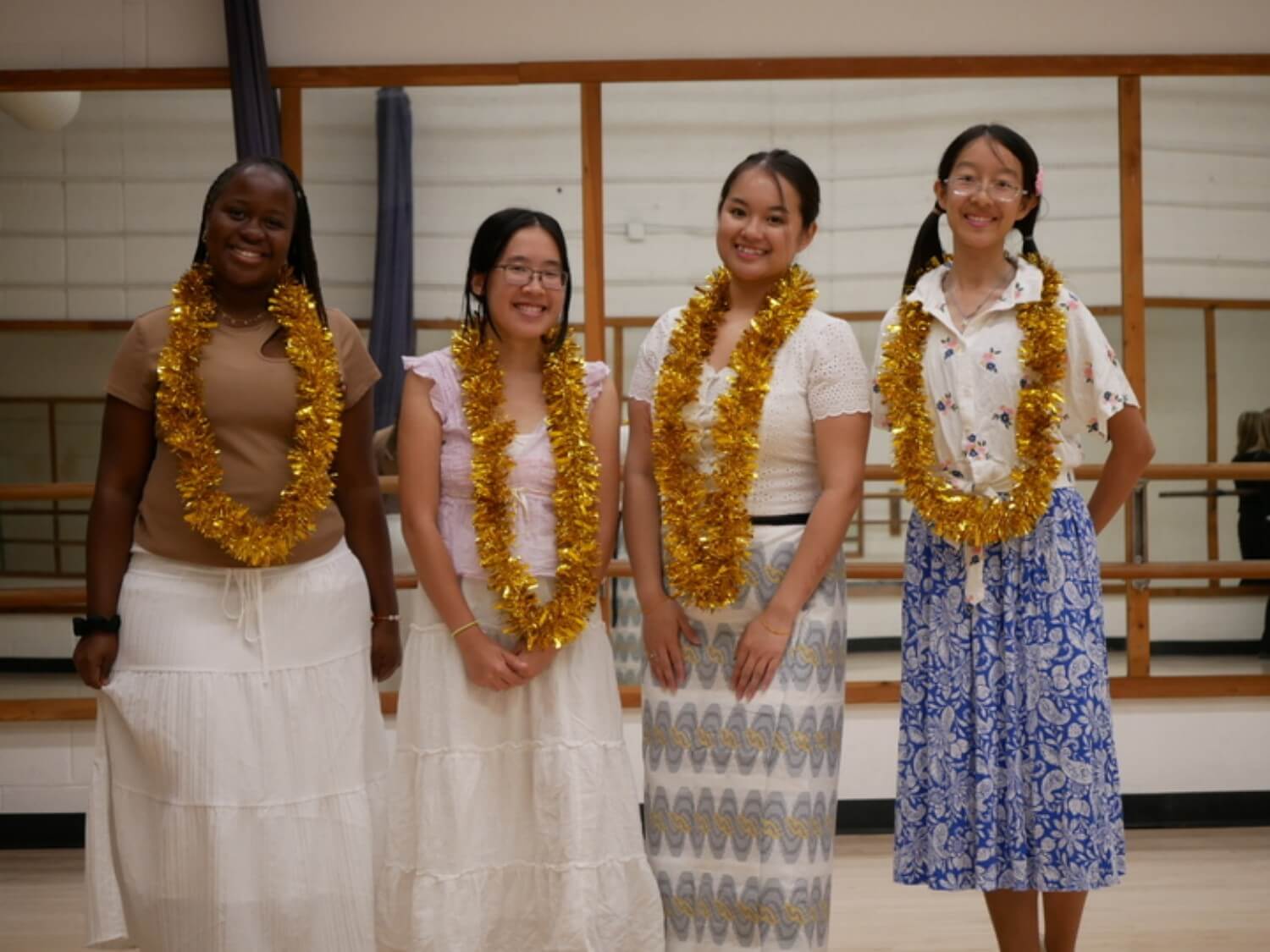
“I think dance brings people together. It makes everyone happy, it gets the audience and everyone around to join in,” Camarillo Abad said. “I think dance is very important for us as human beings.”
Contact Athya Paramesh at paramesh@oxy.edu
