





























Content warning: this article discusses eating disorders and disordered behavior.
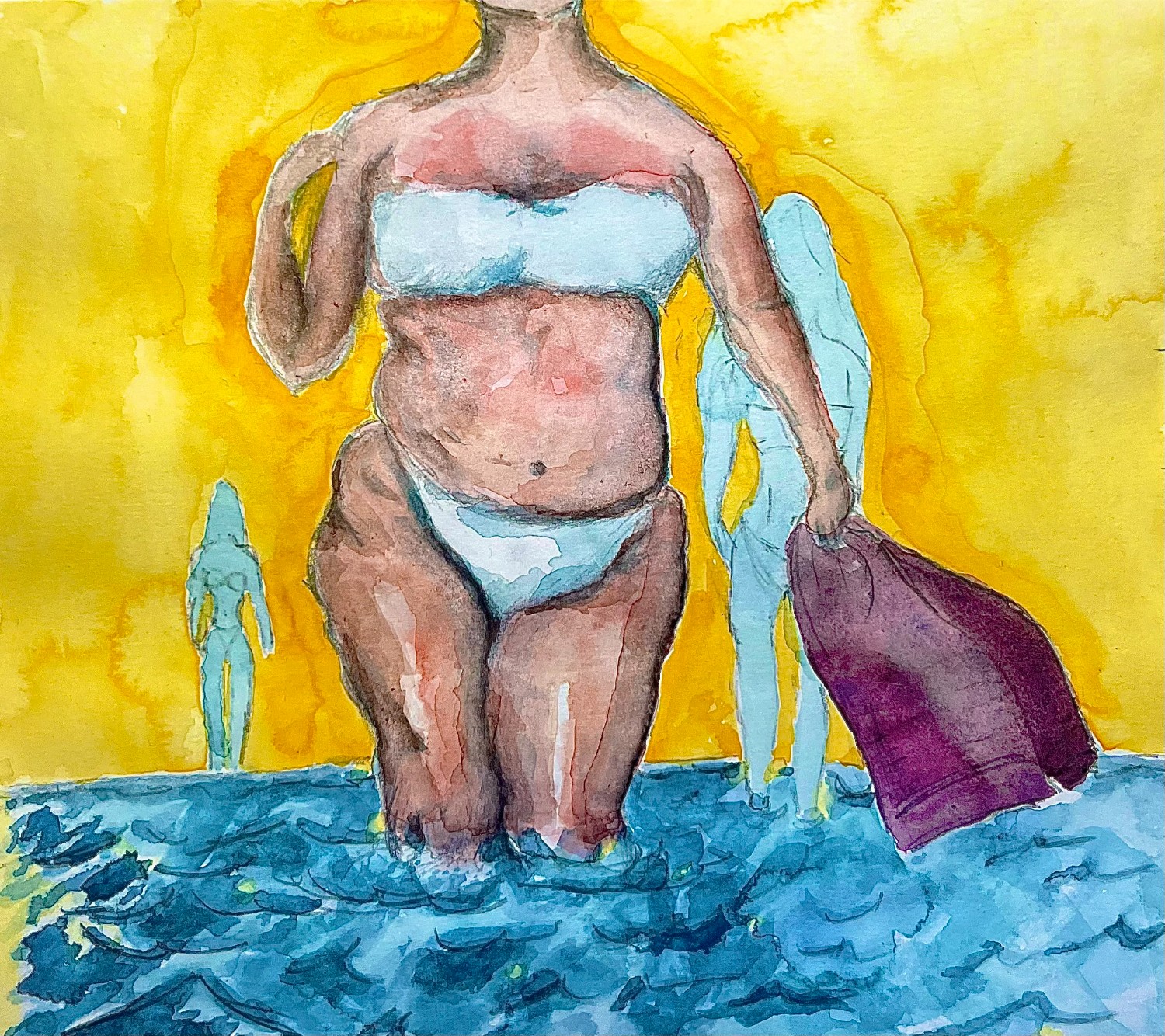
My FYS (First Year Seminar), “Fatness,” gets the widest array of reactions when I tell people I am taking it, usually with jokes about what the course covers. But I simply explain to them, yes, this class is about fat people and how discrimination against fat people can be very harmful. As I told my friend about this, she told me that while that might be true, she couldn’t support fat people because they are unhealthy.
Her response stopped me in my tracks. This sort of thinking plays into a larger notion of how we have moralized people’s bodies, labeling people healthy and unhealthy. Saying all fat people are unhealthy is an untrue stereotype that depicts fat people as morally bad. Recent studies have concluded that 80% of a person’s weight is genetic. In Audrey Gordon’s book “What We Don’t Talk About When We Talk About Fat,” Gordon writes about a nurse’s surprise when she realized Gordon’s blood pressure was at a normal range, indicating she was healthy.
There is a growing health issue in the U.S., but it isn’t weight-related; it has to do with processed foods. Conflating these two issues of health and fat people allows others to make rude comments about fatness disguised as concern. Gordon writes about how the advice and hurtful comments directed at her were disguised as concern for her health.
Social media perpetuates the idea that being thin should be our ultimate goal. On TikTok, people make videos saying, “Might be getting cancer but at least I’ll be skinny!” or, “The only thing consistent in my life is the desire to be skinny.” It doesn’t take long online to find advice on weight loss, presented as something everyone should want to do. According to a study done by Yale, women of all ages report levels of body dissatisfaction, with half saying they would give up a year of their life to be thinner. In that same study, 15 to 30% also said they would rather walk away from marriages, give up the possibility of having children, be depressed or be an alcoholic rather than be fat.
People spend so much time moralizing about body size and making fat people the villain. Take Disney villains, for example. According to a study of Disney characters, of the 124 identified fat Disney characters, 70% depicted one or more negative stereotypes about fat people. This trend relates to a bigger trope in media related to fat people. Many negative stereotypes around fat people include both women and men being viewed as less sexually attractive, dumb and overeaters. It’s no wonder that all these negative stereotypes associated with fat people have convinced others to associate fatness with bad traits.
This idea about morality’s connection to thinness means that we are unable to have empathy for fat people. When people view fat people as morally wrong, it creates a separation between fat and thin people, who refuse to feel any empathy or understanding for the discrimination fat people face. Many fat people will receive medical discrimination, and medical professionals will tell them that to stop an ear infection, they should lose weight, two completely unrelated things. Gordon explains how some airlines, such as Southwest, require fat people to buy two seats or will not let them on the plane. As Gordon discusses in her book, fat women, when sexually assaulted, will often get told that they should be grateful because fat people are unattractive.
The effort to be thin takes so much from us. So many of my friends have come to me and had numerous conversations about our bodies and weight. One friend even said she wishes she could just be thinner; if she had the money, she would take Ozempic in a heartbeat. One friend has been fighting an eating disorder. While in recovery, this desire to be thin still controls so much of her and has even shut down some of her empathy when I attempted to explain the discrimination fat people face.
I think so many other people, including myself in the past, did believe that being thin makes you morally superior. But what my fatness class has taught me the most is that now, I can’t help but see discrimination against fat people in so many aspects of my life. I even see it here at Occidental. According to a study done at Occidental in 2022, 42% of fat students report experiencing at least one instance of discrimination based on body size. I hear it in everyday conversations, and I think a school with so many people who care about social justice issues is overlooking a critical one, and how it intersects with so many other issues. My fatness class has taught me not to view bodies in terms of good or bad, but instead just as people.
Contact Emma Williams at ewilliams4@oxy.edu
