





















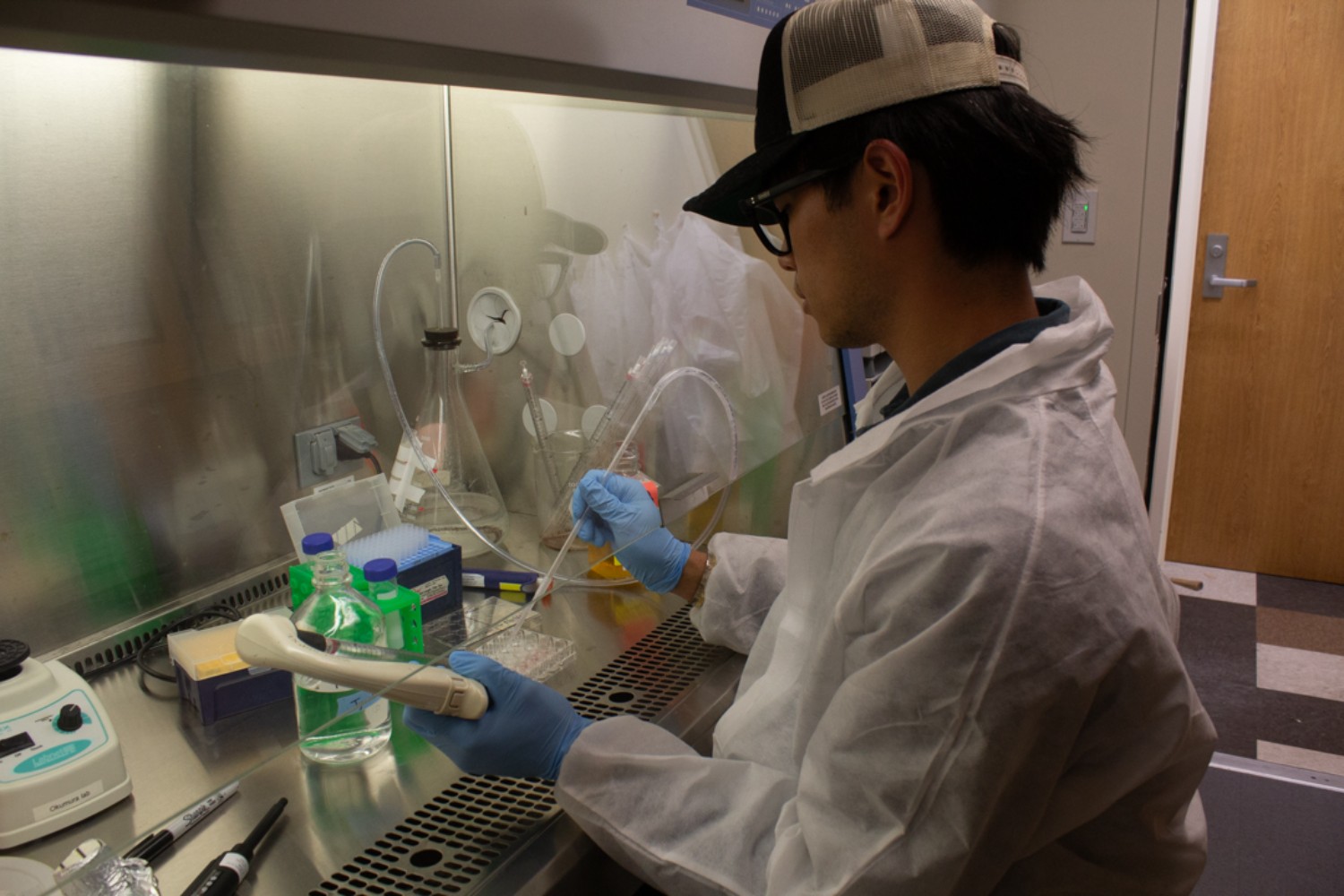
Occidental students are conducting research across fields ranging from organic chemistry to canine cognition, often working closely with faculty mentors in labs, fieldwork and community-based projects. The Undergraduate Research Center (URC), which offers student research assistantships during the academic year, funding for conference and research travel and a 10-week summer research program, plays a central role in supporting these opportunities.
Igor Logvinenko, faculty director of the URC and associate professor of Diplomacy and World Affairs, said the center helps coordinate research opportunities across campus. Logvinenko said students often begin research by building relationships with professors in their classes, and as around 30 new faculty joined the college over the last few years, opportunities for mentored research are growing.
“Student-faculty pairs need to find each other in a way and there’s some variability in terms of how different programs and different faculty do it,” Logvinenko said. “But for students, I would just recommend talking to professors, particularly professors in whose classes you’ve done very well, and just early on have a conversation.”
According to Logvinenko, research opportunities vary depending on faculty interests, but student participation remains strong across departments and interested students should think about how they can prepare themselves to be a good candidate for a research opportunity.
“I think Occidental is well-positioned to be a place where you go to a small liberal arts college, but you can also get involved with cutting-edge research,” Logvinenko said.
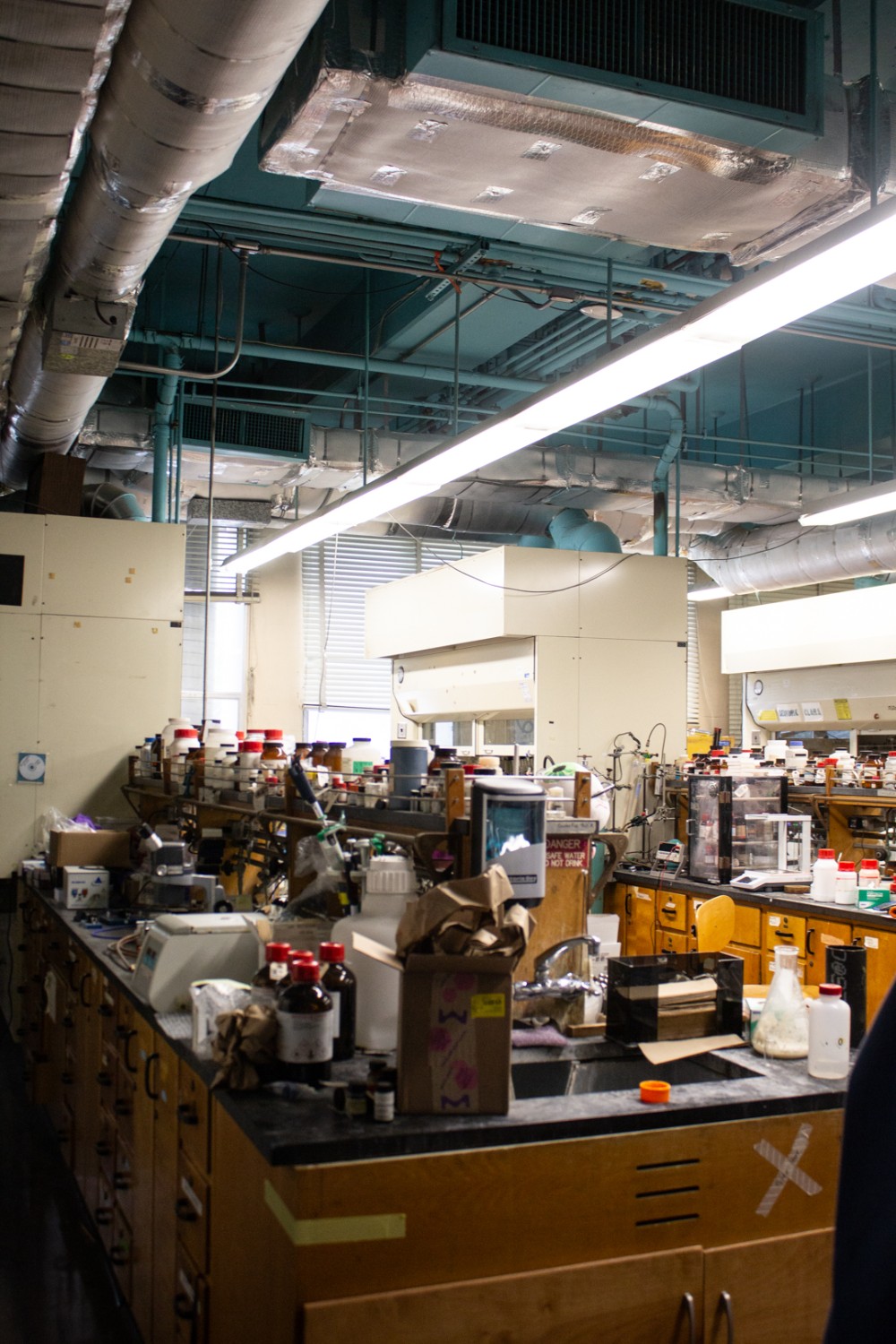
Organic Synthesis Lab
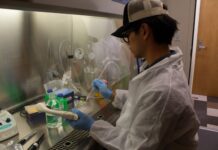
Raul Navarro, associate professor of chemistry, leads an organic synthesis lab focused on building molecules with potential applications in human health.
“Organic chemists like to build molecules in the lab, so I like to think of us as sort of molecular architects,” Navarro said. “The molecules that we build in my lab often have some relevance to human health.”
Navarro said his lab works on developing chemical reactions that allow researchers to build complex molecules more efficiently. These molecules are often inspired by natural compounds and may contribute to future pharmaceutical research.
“We ask the question, ‘Can we make these molecules and can we make them as efficiently as nature does?’” Navarro said.
Marisol Carrano (sophomore), who works in Navarro’s lab, said her research focuses on creating cyclopropanes, a triangular carbon structure found in some pharmaceutical compounds.
Carrano said she entered the lab without prior research experience and began by shadowing.
“After reaching out to Professor Navarro, I shadowed [the lab] for a semester and then started working on the project,” Carrano said. “Coming into Oxy, I didn’t have any chemistry research experience.”
Carrano said the transition required learning new techniques and becoming comfortable working independently in the lab. According to Carrano, research often involves repeated attempts before achieving results.
“Reactions don’t always work on the first try,” Carrano said.
According to Carrano, one of the most important moments in her experience came when she successfully ran an experiment on her own.
“I was able to set up my first reaction fully on my own,” Carrano said. “I was like, OK […] I’m confident in my abilities.”
Navarro said undergraduate students play an active role in the lab’s research process.
“To see a student become independent and troubleshoot, come up with ideas for next experiments […] is such a heartwarming experience,” Navarro said. “They are coming out with such a sense of purpose and excitement for what’s to come, and I think that is probably the most rewarding thing for me over the last eight years.”
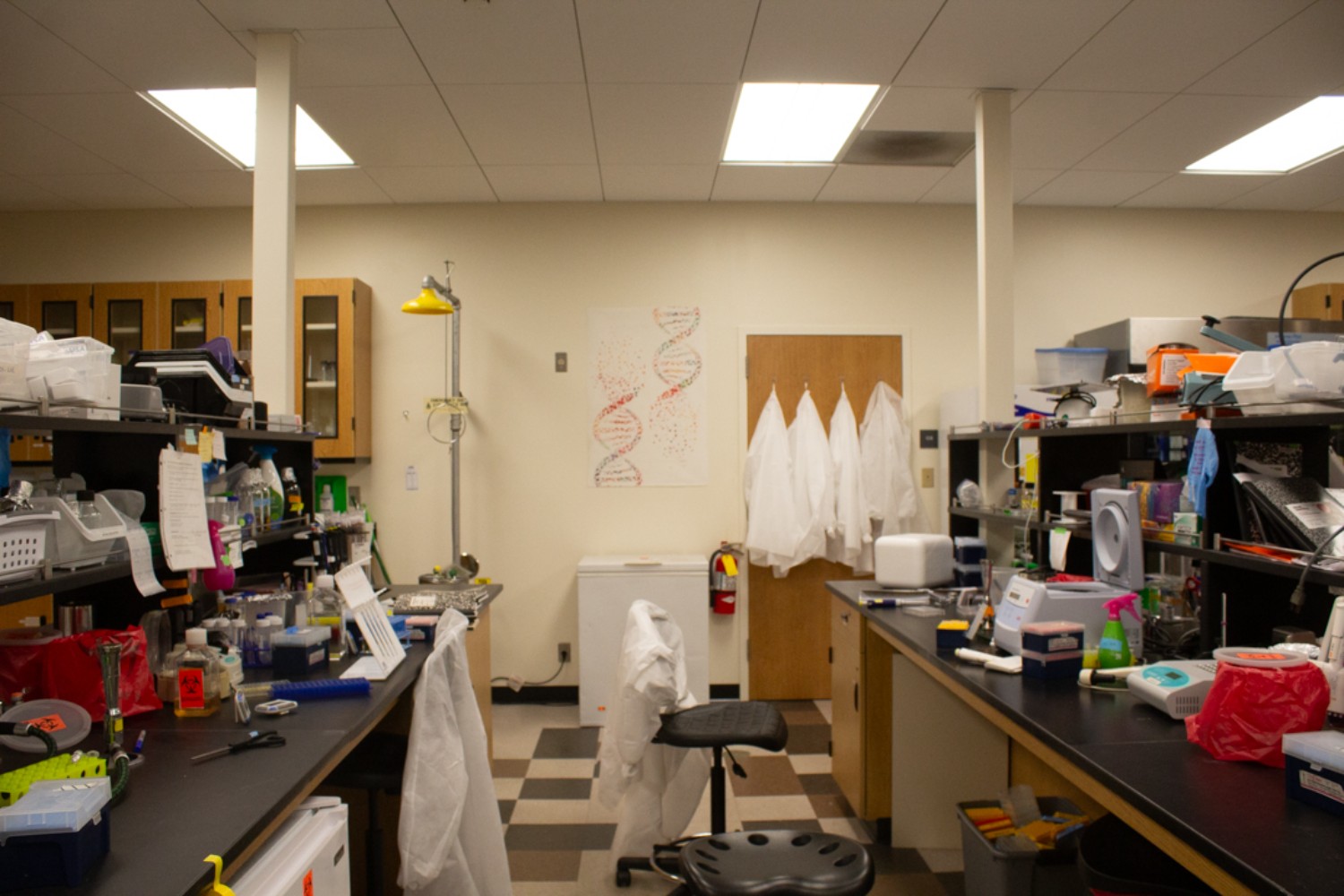
Canine Intelligence Lab
Zachary Silver, assistant professor of psychology, leads a Canine Intelligence Lab where students study how dogs think and interact with humans.
“Our work explores the social origins of cognition and how specifically dogs have come to understand the complex social world that they live in,” Silver said.
Silver said dogs are particularly ideal for studying social cognition because of their long history alongside humans, which dates back about 40,000 years.
“It is an evolutionary framed research program, where we are comparing dogs’ intelligence to other animals like humans to get a sense of what elements of human cognition are unique and instead what might be shared across animals for which we have evolved alongside or spent a lot of time with over the course of our evolutionary history,” Silver said.
According to Silver, the lab uses structured experiments involving games and puzzles to measure behaviors such as decision-making, emotional perception and self-control.
“Our current research explores social decision making, emotional perception, inhibitory control and executive functioning,” Silver said.
Silver said undergraduate students are heavily involved in the lab’s work.
“I have anywhere between 15 to 20 students in a given semester that are working on both developing projects and executing those projects,” Silver said.
Silver said the lab relies on participation from the surrounding community, with dog owners bringing their pets to campus for research sessions.
“Our work is entirely community-driven,” Silver said.
Danielle Levin (senior), a psychology major, said she joined the lab after taking one of Silver’s classes and later conducted a URC-funded summer research project in the lab.
“I was looking at self-control and working memory in pet and shelter dog populations,” Levin said.
Levin said a typical day in the lab involves running experiments with dogs in scheduled sessions.
“We schedule dogs to come in for about 30-minute time slots,” Levin said, “and run whatever studies we have going on at the time.”
Levin said the experience helped her apply concepts from her coursework in a practical setting.
“It’s been really cool to take things that I learned in evolutionary psychology and developmental psychology and physiological psychology, and actually see practical applications outside of class,” Levin said.
Levin said her experience at the Canine Intelligence Lab has influenced her plans after graduation.
“Right now I’m very set on going to grad school and continuing to pursue research, which is definitely not something that I would have been exposed to if I had not been able to join a research lab in the first place,” Levin said.
Occidental College Undergraduate Research Association (OCURA)
Some students conduct research outside of traditional lab settings, working directly with participants in community spaces. Riley Cochran (sophomore), a member of the Occidental College Undergraduate Research Association, said they became involved in community research by reaching out to a professor during their first year.
“I was like, I would love to be part of research on campus and he said, ‘Do you want to join mine?’” Cochran said.
Cochran said their research focuses on how children evaluate information and determine whether it is trustworthy.
“We were working with children’s judgments on fake news and whether they thought the stories were true or false,” Cochran said.
According to Cochran, the project involved collecting data from children in public spaces such as parks.
“We go to parks and administer a survey to children 5 to 12 years old,” Cochran said. “Then we’d ask them whether or not they thought certain stories were true or false and the reasons why they might think those are true and false.”
Cochran said working in public settings requires flexibility and communication skills.
“You get really good at learning how to take a no, but working with kids is always so rewarding,” Cochran said.
Cochran said their involvement in research also led them to take on a role within OCURA, where they help connect other students with similar opportunities.
According to Cochran, OCURA collaborates with the URC to share information about available programs, funding and ways for students to get involved, particularly for those who may not know where to start. Cochran said part of their role involves encouraging students to reach out to professors and consider research earlier in their college experience, as having access to research opportunities early on made a significant difference in their own academic path.
“It really made me realize how accessible [research] is to me,” Cochran said.
Val Nguyen* (sophomore), the founder of OCURA, said the organization plays an important role in helping students navigate research opportunities.
“While the URC is an institutional resource, OCURA is more of a student-led community,” Nguyen said.
Nguyen said OCURA focuses on connecting students with resources and opportunities that may not always be visible through formal institutional channels.
“We focus more on supporting first years and […] students who are generally systematically marginalized within academia,” Nguyen said.
Nguyen said the organization additionally connects students with opportunities beyond Occidental.
“We also connect Oxy students with outside resources and outside professors rather than focusing on just the Oxy community,” Nguyen said. “So we serve more of a bridge rather than an institutional resource.”
According to Nguyen, high attendance at OCURA events and outreach efforts reflects student and faculty interest in research.
“Whenever we have events, there are many students and many faculty and many staff who reach out to us because it is a need […] and something that everyone is excited about,” Nguyen said.
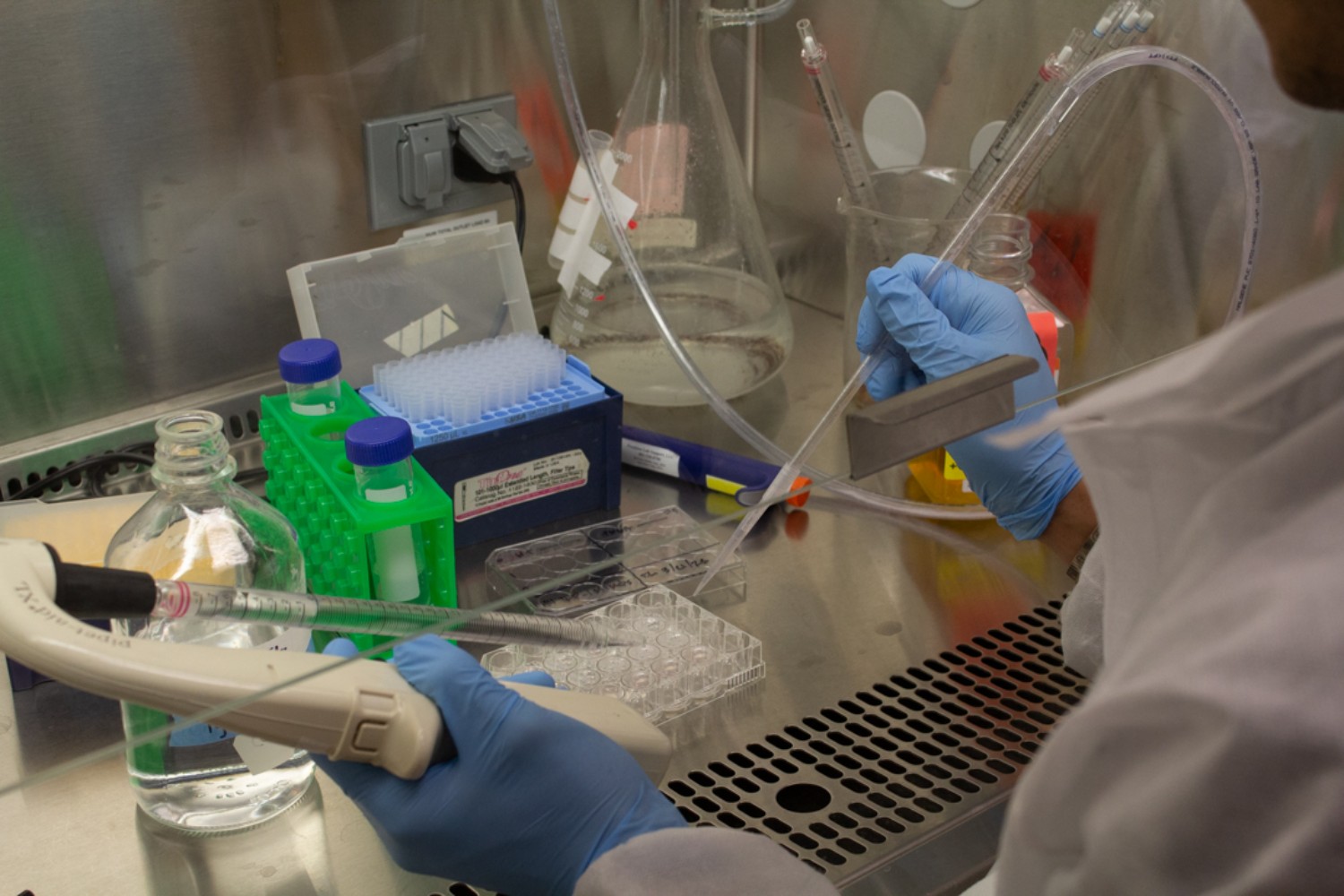
The Future of Undergraduate Research at Occidental
As research opportunities continue to expand across campus, Logvinenko said sustaining such growth will require continued support, particularly through funding and institutional resources.
According to Logvinenko, recent changes in federal funding have already begun to affect the scale of some research programs.
“A couple of major programs have ended,” Logvinenko said. “There’s just general federal funding issues.”
Logvinenko said programs such as Humanities for Just Communities and the Research Early Access Program (REAP) supported groups of students through grant funding, but have recently scaled down or ended.
“The Research Early Access Program was a grant-funded program that ran for three years,” Logvinenko said. “This year [the group] is going to be very small, and so I think everybody’s aware of some of these issues.”
According to Logvinenko, programs impacted by funding cuts often support students who have had limited previous exposure to research.
“[REAP] brings first year students who may not have a lot of experience with labs or haven’t had access to science education,” Logvinenko said. “We try to give opportunities to students from underrepresented backgrounds to get involved in research early, get into the pipeline.”
According to Logvinenko, Occidental relies on internal and endowed funding sources to support student research.
“We continue to have a lot of internal support, we have our endowed funds that support research,” Logvinenko said. “That really hasn’t changed.”
Logvinenko said the loss of large external grants has shifted how programs operate, but student and faculty engagement and interest in research remains high. According to Logvinenko, maintaining and expanding research opportunities will require continued prioritization across the college.
“It’s something that we as a community need to prioritize and make […] a big point of pride at Occidental,” Logvinenko said.
*Val Nguyen is a former Staff Writer at The Occidental.
Contact Zumyna Kabir at kabir@oxy.edu
