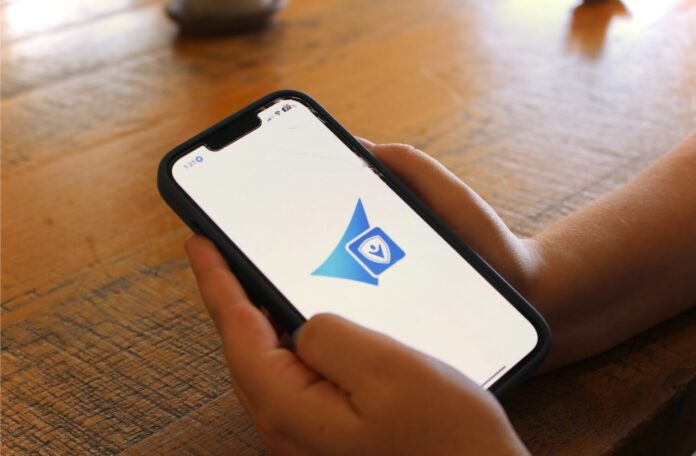
According to a Dec. 11 email from Campus Safety Director Stacy Spell, Occidental is removing the blue-light emergency phones and fully transitioning to the LiveSafe app, a more modern incident-reporting platform. Spell’s email said the college has used the LiveSafe app to put students in contact with Campus Safety since 2017.
“With technological developments and the ubiquity of cell phones, emergency blue-light phones have become an unused and outdated incident response tool,” Spell wrote in the email. “The College has decided to remove the blue light phones on campus over winter break.”
According to the initial email, Spell considers this an upgrade.
“The most effective emergency tool is the one you have in your hand,” Spell wrote.
Luke Bringhurst (senior) said the blue-light system seemed outdated and inaccessible.
“I haven’t heard of a single person who has ever used it,” Bringhurst said. “I think that there are a lot better ways to get [help] than running over to one of those things.”
Thomas Quick (senior) said that he did not know the blue-light emergency phones were being removed and thinks that people would reach for their own phones first in an emergency.
“I think if you have it on your phone, then it’s probably more useful,” Quick said. “And everyone has phones on them all the time.”
Elliot Lehman (senior) said this transition could be problematic.
“It can’t cost that much money to service a telephone like that on campus. It feels like something stupid to defund,” Lehman said.
Lehman said that with the exact location, the addition of the loud sound and instant connection to safety personnel, the blue-light system was an accessible aspect of Campus Safety.
Quick said he’s never used the emergency blue-light system himself and does not intend to download the app.
In an email interview with The Occidental, Spell said that according to usage data, the emergency phones had only been activated a handful of times over the last decade, becoming antiquated as mobile phones gained popularity.
“The telephone lines that support [the emergency phones] are increasingly no longer maintained by telecommunications providers,” Spell said.
Lehman said the blue-light system had a frightening effect on potential predators and made campus feel safer to him.
“If someone is trying to actively chase this person and they see a blue-light phone, they’re going to be more scared off, rather than someone having a phone trying to call 911,” Lehman said.
Kylie Jones (senior) said the blue-light system added a visual aspect of safety to campus.
“It’s not only for people to use, but [to have] something visually,” Jones said.
According to Spell’s Dec. 11 email, the blue-light phones were a visible safety symbol, but could not offer some of the safety aspects LiveSafe brings to the table.
“[The blue-light phones] are rarely used and only helpful if you are standing next to one,” Spell wrote. “LiveSafe offers essential features the old phones could not.”
According to the Apple App Store, the LiveSafe app has an accumulated rating of 2.8 stars. Reviews cite unreachable safety escorts, poor customer service and general app bugs.
A top review reads, “stupid app hate my school for this.”
Jones said the introduction of the app makes safety less accessible.
“Sometimes I don’t have my phone on me, or it’s dead,” Jones said. “The last thing I’m gonna do is […] pull out an app.”
Jones said that both the LiveSafe app and the blue-light safety system would make for the safest campus environment.
“You could have both options,” Jones said. “Bring it back.”
Contact Amelia Darling at adarling@oxy.edu